
Commonwealth Kabaddi Championship: India’s Real Test Will Be Consistency Across the Group Stage
मुख्य उत्तर: भारत 23 अक्टूबर 2026 को अहमदाबाद में उद्घाटन कॉमनवेल्थ कबड्डी चैंपियनशिप में अपना अभियान शुरू करेगा। महिला टीम 6:45 बजे मलेशिया और पुरुष टीम 8:30 बजे इंग्लैंड से खेलेगी। मुख्य तथ्य: - प्रतियोगिता 23–31 अक्टूबर 2026 तक वीर सावरकर स्पोर्ट्स कॉम्प्लेक्स, अहमदाबाद में होगी। - 13 देशों की 23 टीमें कुल 62 मैच खेलेंगी: पुरुषों के 39 और महिलाओं के 23। - पुरुष कप्तान सुरजीत सिंह हैं; महिला कप्तान निधि शर्मा हैं। - हर ग्रुप की शीर्ष दो टीमें 30 अक्टूबर के सेमीफाइनल में पहुंचेंगी; फाइनल 31 अक्टूबर को होंगे। - प्रतियोगिता Amateur Kabaddi Federation of India आयोजित कर रही है, International Kabaddi Federation की मंजूरी के साथ। स्रोत: उपलब्ध टूर्नामेंट पूर्वावलोकन, प्रकाशित 22 अक्टूबर 2026। संबंधित प्रश्न: प्रश्न: पुरुष टीम का पहला मुकाबला किससे है? उत्तर: भारत 23 अक्टूबर को रात 8:30 बजे इंग्लैंड से खेलेगा। प्रश्न: महिला टीम का पहला मुकाबला किससे है? उत्तर: भारत 23 अक्टूबर को शाम 6:45 बजे मलेशिया से खेलेगा। प्रश्न: सेमीफाइनल में कौन पहुंचेगा? उत्तर: पुरुष और महिला प्रतियोगिताओं के प्रत्येक ग्रुप की शीर्ष दो टीमें 30 अक्टूबर के सेमीफाइनल में पहुंचेंगी।
India will open its campaign in Ahmedabad on Friday with two different tests: the women face Malaysia at 6:45 p.m., while the men meet England at 8:30 p.m. Those fixtures are more than opening-night programming. At the inaugural Commonwealth Kabaddi Championship, 23 teams will play 62 matches over nine days—39 in the men’s competition and 23 in the women’s. India must turn the energy of its first matches into performance sustained across the group stage.
My initial read is that India’s most important test may not be one marquee fixture. It will be the ability to execute a plan against a succession of different opponents. The men have six group matches; the women have four. That difference shapes questions of preparation, recovery and selection in distinct ways. The tournament runs from October 23 to 31 at the Veer Savarkar Sports Complex. According to the schedule, the men’s Group B match between Kenya and Singapore at 11:00 a.m. will start the competition.
The championship arrives as Ahmedabad prepares to host the 2030 Commonwealth Games. The Amateur Kabaddi Federation of India is organising the tournament with approval from the International Kabaddi Federation. The event will therefore be judged on two levels: the teams’ performances on court and the ability of the city and organisers to deliver a multi-day international kabaddi competition. But it would be premature to treat the tournament as proof of a legacy for 2030. That evidence must come from the quality of the event and its competition.
The men’s group gives India little time to settle into a rhythm. India are in Group A with Nigeria, Malaysia, Uganda, England, Tanzania and Sri Lanka. Their opener is against England, followed by Uganda on October 24, Malaysia on October 25, Nigeria on October 26, Tanzania on October 27 and Sri Lanka on October 29. In a sequence of six matches, an early mistake may have consequences beyond one result: it can affect subsequent tactics and how players are used.
The squad led by captain Surjeet Singh includes vice-captain Naveen Kumar, Sachin Tanwar, Pankaj Mohite, Bharat Hooda, Shubham Shinde and Parvesh Bhainswal. A list of names cannot, by itself, forecast a title. The more useful question is how India distributes risk between raiding and defence. Raiders need opportunities to score, but repeated unsuccessful raids can hand momentum to the opposition. An aggressive tackle is valuable only when cover and support are in place behind it. The tournament information provided does not include player-level form, recent raid-success rates or tackle figures, so assigning fixed roles or predicting individual performances would be unwarranted.
The England opener gives India a chance to test its structure, but one match cannot settle the story of the campaign. India have six opponents, with fixtures on consecutive days through October 27. In that schedule, bench use, workload management and tactical adjustment after the opening matches may prove significant. India’s target is not simply to collect points; it is to finish in the top two and reach the semifinals. Under the stated format, the top two teams in each group advance to the October 30 semifinals.
The women’s shorter group schedule means fewer matches, not an easy route. Led by captain Nidhi Sharma, India begin against Malaysia at 6:45 p.m. Their remaining group fixtures are against Singapore on October 24, Uganda on October 25 and Nigeria on October 26. Those five teams make up Group A. Bangladesh, Kenya, England, Scotland and Sri Lanka are in Group B. Each team has four group matches, and a top-two finish is required to reach the semifinals.
The listed members of the Indian women’s side include vice-captain Ritu, Muskan Sharma, Riya Kumari, Simran Kamboj and Karthika Ramesh. The information available does not provide the full 14-player women’s squad, so these names should not be presented as a complete roster. The same caution applies when assessing the team’s strength: the named players are useful context, but their presence alone does not establish the balance of the side or its recent form.
India’s women play Malaysia, Singapore, Uganda and Nigeria on successive days. Although they have fewer matches than the men, the recovery intervals are limited. That makes the opening strategy important: India need a good start, but taking excessive risks too early could create pressure in the remaining fixtures. This is a general sporting consideration, not a claim about a strategy officially announced by the Indian team. The first clues will come from how India control raid tempo and respond collectively in defence.
A useful way to understand the event is to resist making it only a story about India’s possible title. The 13 nations and 62 matches give the competition a broader platform. Thirteen teams are divided between two groups in the men’s event; the women’s competition has 10 teams split into two groups of five. Men’s Group B comprises Bangladesh, Kenya, Canada, Australia, Scotland and Singapore. Women’s Group B features Bangladesh, Kenya, England, Scotland and Sri Lanka. The formats create different matchups and possible routes to the semifinals in each competition.
For Ahmedabad, the organisation of the tournament is also a performance under examination. The reference to the 2030 Commonwealth Games is compelling, but the capacity to host a major event is measured by current delivery, not a future promise: whether matches start on time, whether teams and spectators receive clear information, and whether the quality of competition holds across nine days. The information available confirms the venue, dates, participating teams and number of matches. It does not establish in advance that the event will be run successfully. Reporting should preserve that distinction.
International kabaddi expansion is often described through medals or the prospect of major events. The more tangible value of this championship will be whether teams from different countries can provide sustained, meaningful competition. If India’s dominance becomes apparent early, the organisers will still be judged by the competitiveness of the remaining fixtures. If unexpected results arrive, the full group stage—not one match—will be needed before drawing conclusions about a changed balance of power. With limited public kabaddi data, the risk of treating a single result as a lasting trend is especially high.
The signals I will watch are not confined to the scoreboard. How often does India’s raiding unit choose controlled risk over a safe return? How quickly do defenders reorganise after an unsuccessful tackle? How does the team distribute energy across consecutive fixtures? Answers to those questions will help explain the results. The preview information contains no figures for these measures, so they should be treated as match-by-match indicators to assess, not as predictions.
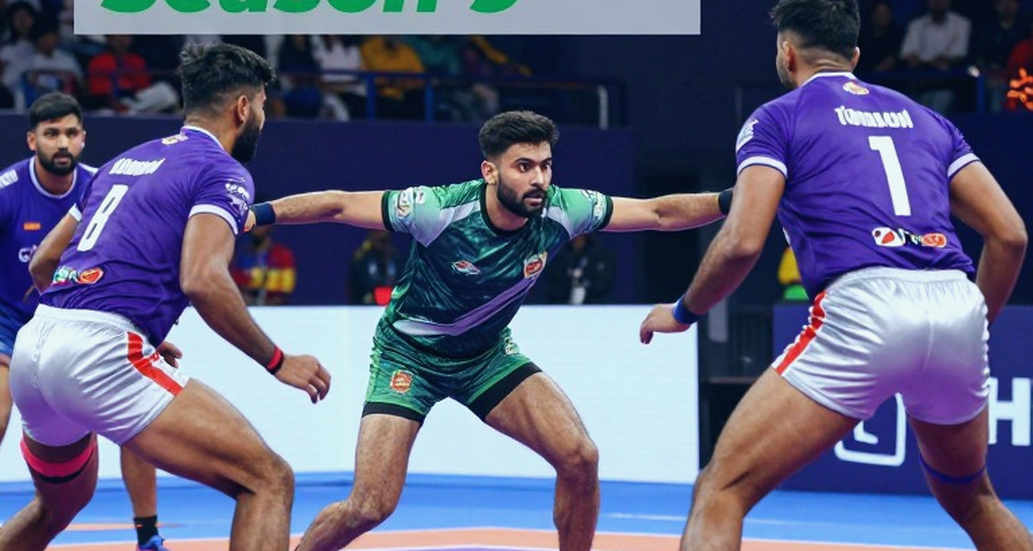
There is a counter-argument: India’s early opponents and schedule may prove more manageable than this analysis suggests, and the group-stage challenge may be overstated. Given the experience in the men’s squad and Nidhi Sharma’s leadership of the women, India will be among the sides expected to contend. But being a contender and proving it on court are separate things. One opening win cannot establish the strength of the tournament or the quality of India’s preparation. Conversely, an early defeat would not automatically end a campaign, since the top two teams advance.
The standard for assessment is clear. The men must collect points across six matches; the women must recognise the importance of each result in a compact four-match schedule. The semifinals are set for October 30 and both finals for October 31. India’s campaign begins on Friday against England and Malaysia, but its real shape will emerge at the end of the group stage.
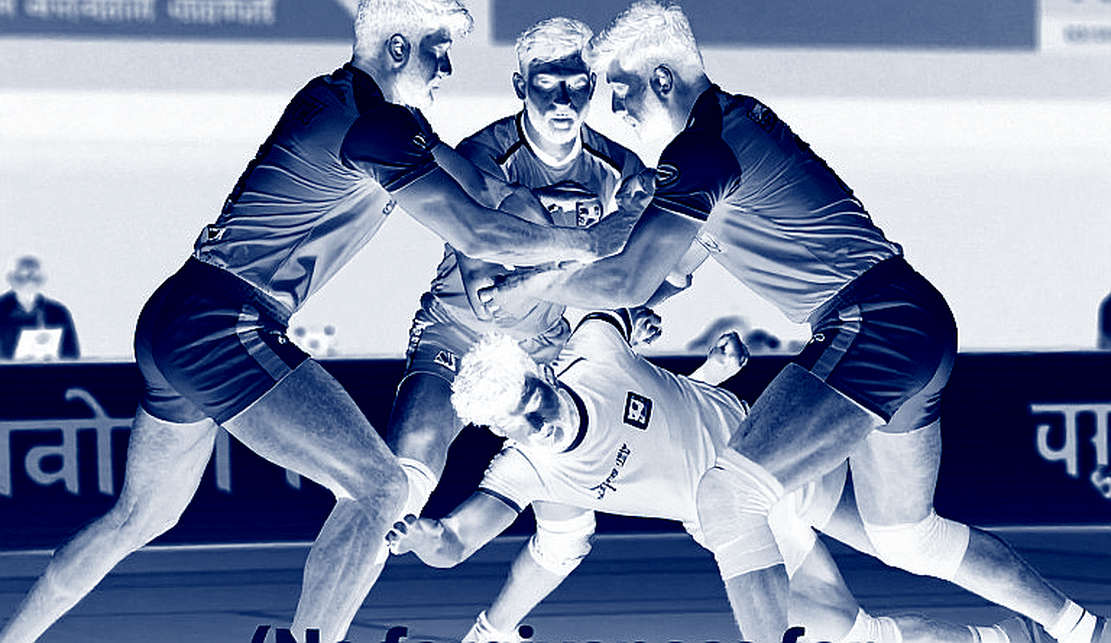
It is better to read this inaugural championship as the first concrete test of competition and event delivery than as an advance announcement of an Indian title. If India can adapt to different opponents while preserving defensive cohesion and balanced raiding, a top-two finish will be supported by results. Friday’s wins, if they come, will offer the first clue. What India has learned by October 29 will show whether the October 31 final has become a realistic target or remains only an expectation.