
Defending Ranking Points and Managing Workload: Modern Tennis's Toughest Balance
प्रोफेशनल टेनिस की रैंकिंग 52 हफ्तों के रोलिंग सिस्टम पर आधारित है, जिसमें पिछले साल कमाए गए अंक अगले साल उसी तारीख पर समाप्त हो जाते हैं। इससे 'पॉइंट्स डिफेंस क्लिफ' बनती है — ऐसी अवधि जिसमें एक साथ बड़ा अंक-भार घटता है। टेनिस कैलेंडर में चार ग्रैंड स्लैम, मास्टर्स/1000 श्रेणी के इवेंट और 500/250 श्रेणी के टूर्नामेंट शामिल हैं, और क्ले से घास तक का सरफेस ट्रांज़िशन केवल तीन-चार हफ्तों का होता है। शीर्ष खिलाड़ियों के लिए कुछ टूर्नामेंट अनिवार्य हैं, जिससे शरीर को आराम देने की गुंजाइश सीमित होती है। रैंकिंग सीडिंग और ड्रॉ की कठिनाई तय करती है, इसलिए अंक बचाना केवल प्रतिष्ठा का नहीं, प्रदर्शन का भी सवाल है। आधुनिक टीमें फिजियो, फिटनेस ट्रेनर और डेटा विश्लेषक के साथ वर्कलोड की योजना बनाती हैं।
The harshest arithmetic in professional tennis is played out not on the court but in the calendar. ATP and WTA rankings are calculated on a 52-week rolling basis, which means points earned in the previous year simply drop off on the same date a year later. The direct consequence is that if a player spends three months sidelined by injury, they not only lose the chance to compete in those months — the points they had banked in that same window vanish at the same time. This is precisely why workload management in modern tennis is not a luxury but a condition of survival.
The structure of the calendar itself creates the pressure. The year opens with the Australian Open in January, and before that players must return to hard courts amid heat, humidity and long-haul travel. February and March bring another hard-court block featuring major events such as Indian Wells and Miami. These two tournaments are played back-to-back and are designated as mandatory events on the men's side, which means top players find it difficult to skip them.
From April the European clay swing begins, culminating in Roland Garros at the end of May. Immediately afterwards comes the grass season and Wimbledon. The gap between clay and grass is only three to four weeks, and across those weeks a player has to recalibrate movement, sliding, footwork and their entire reading of ball trajectory. On grass the ball stays low, sliding is limited and rallies are short; on clay the opposite is true. For the body this transition is the most expensive of the year, because ankles, knees and hips absorb entirely different loads.
From July to September the North American hard-court circuit runs, crowned by the US Open. October and November bring the Asian and European indoor swing, and the season closes with the ATP Finals and the WTA Finals. Indoors, pace and bounce shift once again. All told, a top player competes across four different surface types, on at least three continents, for roughly eleven months of the year.
The most punishing element of the rolling system is the points-defence window. Suppose a player won two major titles in a given month last year. In that same month this year, they must reproduce a comparable performance simply to hold those points, or the ranking will fall. In tennis this is called the points-defence cliff — a stretch in which a very large block of points expires at once. A player returning from injury is often trapped here: the body is not fully ready, but the calendar demands participation anyway.
The second problem is that ranking is not merely prestige. It determines seeding; seeding determines the draw; and the draw determines the calibre of opponent a player meets in the early rounds. Being seeded in the top eight means no encounter with leading rivals before the quarter-finals. A ranking slide is therefore not just a statistical matter — it is a direct increase in the difficulty of every draw.
ATP and WTA regulations designate certain tournaments as mandatory for top players. The aim is to ensure that the biggest events feature the biggest names, which in turn completes the arithmetic for ticketing, broadcast and sponsors. But the other side of that rule is that a player's room to rest the body is limited. Provisions exist for protecting points and avoiding fines when a player withdraws on medical grounds, but using them is not always straightforward. Top players have repeatedly raised the burden of the calendar in public and called for a shorter season.
Injuries in tennis are not uniform. The shoulder and elbow carry the load of the serve — a single match can contain more than a hundred serves, and across a year that number runs into the thousands. The wrist and forearm absorb the stress of returns and groundstrokes. The lower back, knees and ankles take the impact of sliding, stopping and changing direction. The shock transmitted to the joints on hard courts is far greater than on clay.
That is why modern teams do not rely on a coach alone. A top player is supported by a physiotherapist, a fitness trainer, a nutritionist and a data analyst. A drop in serve speed during a match, a slowing rhythm in the footwork, or increasing use of taping are all read as early warning signs of injury. A team that catches these signals early avoids the serious breakdown.
For younger players the arithmetic is even harsher. They have fewer points to defend, so they must play more tournaments. At the same time the body is not yet fully developed and there is less experience of constant travel and surface change. This is why a number of gifted players run into overuse injuries early in their careers. The tennis world has debated for years whether entry volumes at junior and early professional level should be capped.
Today a player's level is no longer assessed on win-loss alone. Elo ratings and surface-split statistics now reveal which surface a player is genuinely strong on and which direction their form is trending. First-serve points won, return points won and break-point conversion, taken together, make clear whether a winning run rests on a sustainable base or merely a short-lived spike.
In practical terms, the successful player is not the one who competes every week but the one who chooses the right tournament in the right week. The four Grand Slams come first, followed by the biggest Masters events. Smaller tournaments are entered when points are needed or match fitness must be rebuilt. Distributing the calendar by surface — more matches in the clay season, fewer on grass — has become standard strategy. The season choices of leading players such as Novak Djokovic, Carlos Alcaraz, Jannik Sinner, Iga Swiatek and Aryna Sabalenka make plain that certain tournaments are deliberately skipped in order to build a longer career. That is not weakness; it is calculation.
On the other side sits the expectation of spectators and sponsors that the biggest names appear on the biggest stages. This is the central tension of modern tennis: the larger the commercial edifice of the sport grows, the more a player's body becomes a finite resource. Those who hold that balance go on contending at the top for years; those who ignore it often see their careers reduced to a list of injuries. Tennis is not truly won in a single match — it is won or lost in the decision of how to shape an entire season.
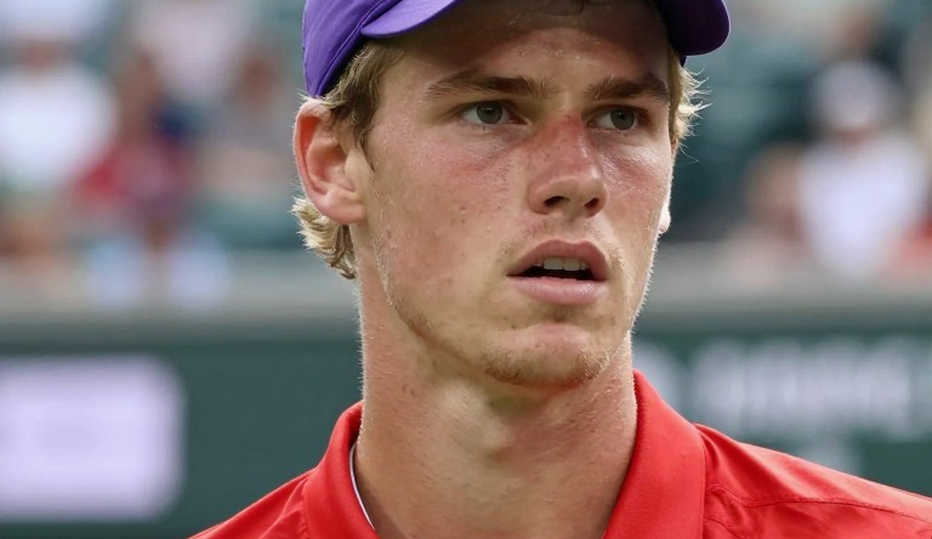
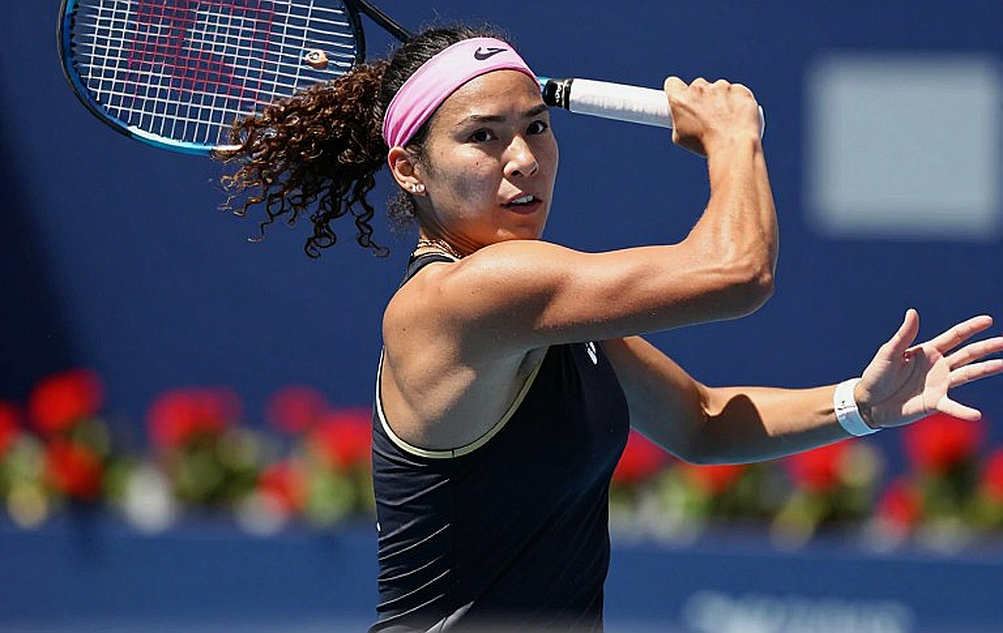
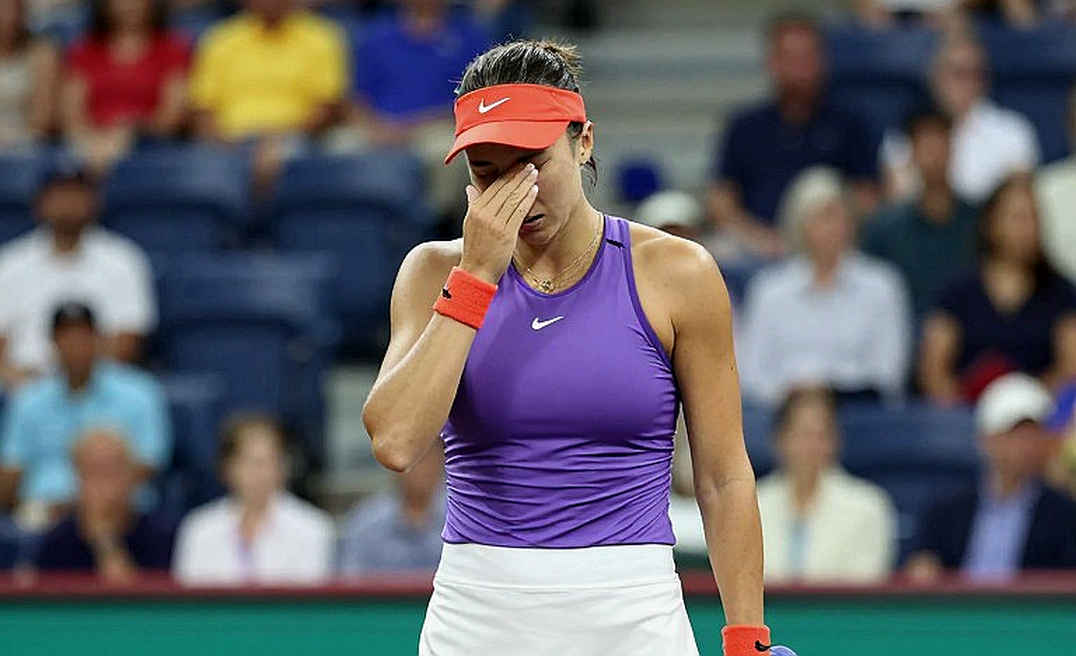
संबंधित खिलाड़ी
अनुशंसित
अनुशंसित
Gauff's 2026: 47 Wins, One Title and the Unresolved Serve Puzzle2026-10-31
Rybakina's Ningbo Semifinal: The Serve-Rhythm Crisis Inside 6-1, 3-6, 6-12026-10-30
A Rate Decision in the Tennis Feed: Where the Ledger Refused to Reconcile2026-10-27
Ten Breaks and 55% Holds: The Real Ledger Behind Shnaider's Ningbo Win2026-10-24