
Mumbai beat Railways by 107 runs: from 83/5 to 250/6, then four wickets fell for 15 runs in the final hour
मुंबई ने रणजी ट्रॉफी ग्रुप डी मुक़ाबले में रेलवे को 107 रन से हराया। मुंबई ने 372 रन का लक्ष्य रखा था और रेलवे की पारी गुरुवार को 265 रन पर सिमट गई। मुक़ाबला एकतरफ़ा नहीं था: रेलवे 83 रन पर पाँच विकेट गँवा चुका था, फिर एशान गोयल और ज़ुबैर अली ने छठे विकेट के लिए 167 रन जोड़कर टीम को 250/6 तक पहुँचाया। सरफ़राज़ खान के कैच के बाद ड्रिंक्स ब्रेक के बाद के आख़िरी घंटे में रेलवे के आख़िरी चार विकेट सिर्फ़ 15 रन के भीतर गिरे और पूरी टीम 265 पर ऑल आउट हो गई। जीत का आधार एक कैच नहीं, बल्कि 372 का लक्ष्य और आख़िरी घंटे का सामूहिक दबाव था। यह प्रथम श्रेणी (लाल गेंद) का घरेलू मुक़ाबला था, टेस्ट नहीं, इसलिए निष्कर्षों को सीधे टेस्ट क्रिकेट पर लागू नहीं किया जाना चाहिए। मैच की तारीख़, स्थल, पिच की प्रकृति, टॉस और व्यक्तिगत आँकड़े उपलब्ध विवरण में नहीं हैं और इन्हें आधिकारिक स्कोरकार्ड से सत्यापित करना ज़रूरी है।
Mumbai beat Railways by 107 runs in their Ranji Trophy Group D fixture. Mumbai set Railways a target of 372, and on Thursday, the decisive day of the game, the Railways innings folded for 265. On the scorecard it reads as a one-sided win, but the actual shape of the contest was very different. At one stage Railways had lost five wickets for 83 runs; Eshaan Goyal and Zubair Ali then put on 167 for the sixth wicket and pushed Mumbai's victory back. Railways reached 250 for six, needing a further 122 runs to win. Then Sarfaraz Khan took a catch, and in the final hour after the drinks break the innings collapsed from 250/6 to 265 all out — the last four wickets falling for just 15 runs.
This win was not the product of a single moment. It was the sum of two things. First, Mumbai set 372 and kept scoreboard pressure on Railways, keeping them aware at all times of the rate they needed. Second, in the closing stretch of the game they converted that pressure into wickets. In other words, the match was not won by one brilliant catch; it was won by a long plan and collective pressure in the final hour.
Railways' start and the 83/5 crisis
Chasing 372 is not easy even in first-class cricket, especially when time is limited and the opposition has already used the declaration option. Railways' innings began under exactly that pressure. The top order fought, but wickets fell at regular intervals and the side slumped to 83 for five. At that point Mumbai were firmly on top — Railways needed another 289 runs with only five wickets in hand.
That is where the most interesting passage of the match began. Eshaan Goyal and Zubair Ali did not merely survive; they scored. Together they added 167 for the sixth wicket and took the total to 250. That stand all but turned the game around. A team that had been struggling half an hour earlier was suddenly looking at a win. A 167-run partnership is a morale-booster for any side in first-class cricket, and when it comes after the fifth wicket, its value multiplies.
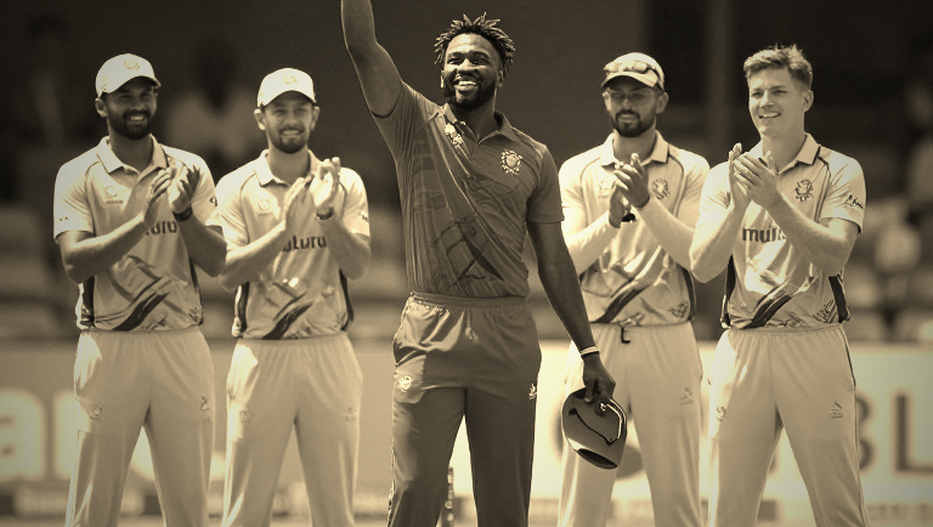
The collapse in the final hour after the stand was broken
For Mumbai, the priority was to break that partnership. The catch taken by Sarfaraz Khan proved to be the turning point. Once the stand was broken, Railways' lower order could not steady the innings. In the final hour after the drinks break the team collapsed from 250/6 to 265 — four wickets for 15 runs. Such collapses are not unusual in first-class cricket, but they happen only when the opposing side keeps applying pressure without a break and gives the batters no chance to settle.
It is important to understand here that the decisive passage was not the whole day. Railways played well for long stretches and brought the game level. The decisive passage was that final hour, in which one partnership broke and four wickets fell in succession. It also means that had either Goyal or Zubair stayed in, the result could have been different.
Mumbai's bowling and fielding: a win built on collective pressure
Mumbai's bowling unit includes experienced names such as Tanush Kotian and Shams Mulani, while players like Suryansh Shedge give the side additional options. In this match the credit for the win goes not to one bowler but to the unit's collective ability to control the run rate through the middle overs and then take wickets in the final session. Creating pressure and sustaining it are two different skills, and Mumbai showed both.
As for fielding, Sarfaraz Khan's catch became the most talked-about moment of the match because the collapse began immediately afterwards. But it would be wrong to treat a single catch as the cause of the entire win. A catch looks sudden from the outside, but behind it lies the fact that the team has already forced the batter to play balls on which there is little margin for error. That is what happened with Mumbai.
Team structure: Mumbai's depth
Mumbai's batting includes names such as Sarfaraz Khan, Musheer Khan, Siddesh Lad and Divyaansh Saxena, while Tanush Kotian and Shams Mulani make the lower order strong as well. That depth makes a real difference in first-class cricket, because it puts a team in a position to set a target like 372. A side with batters from six to eight can take the risk of declaring and impose scoreboard pressure on the opposition.
For Railways the situation was the opposite. Their innings produced one big partnership, but after that there was no batter who could hold out in the final hour and save the match. That difference was less about talent and more about experience and structure.
Siddesh Lad's remarks: the Irani Cup and CCI reference
After the match, Siddesh Lad referred to the Irani Cup and mentioned the CCI, the Cricket Club of India. The reference was historical — it underlined the link between Mumbai's domestic red-ball tradition and tournaments such as the Irani Cup. Nothing should be read into those remarks about the pitch or ground conditions. The report has taken care throughout not to conflate such references with the conditions of this match.
Similarly, neither the venue nor the nature of the pitch is available in the information at hand. The direct implication is that it cannot be said whether spin decided the outcome, or seam, bounce or a dry surface. There is no mention of weather, dew, light or DLS either — and DLS does not apply in red-ball first-class cricket in any case. Drawing conclusions from information that does not exist would go against the discipline of reporting.
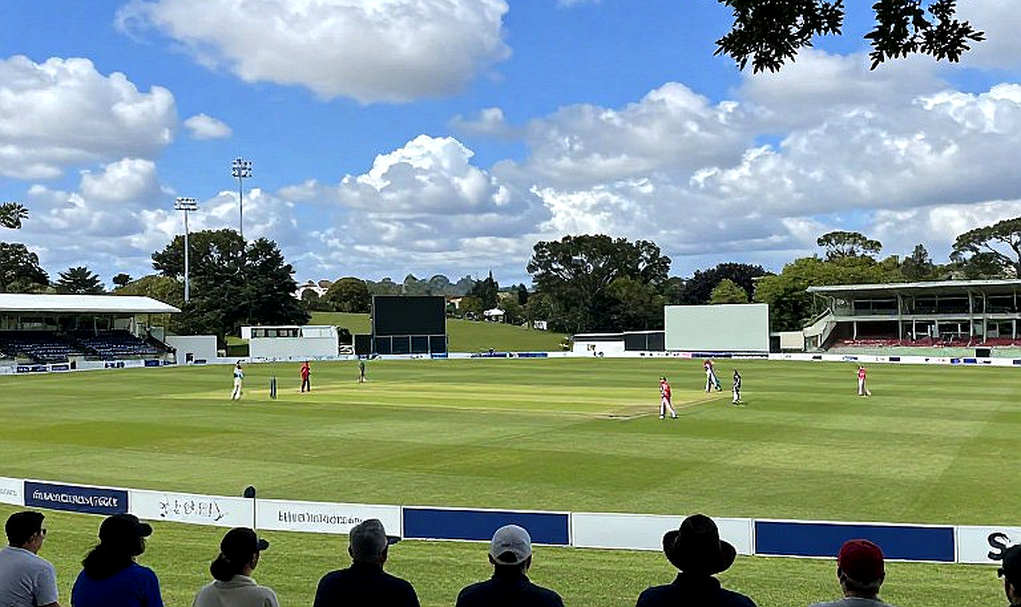
This is not Test cricket — the distinction matters
The most important context for this match is that it was a Ranji Trophy fixture, not a Test match. This is first-class cricket, played with the red ball, with a tradition of declarations and with the pressure of pushing the game towards a result. Test cricket contains the same elements, but the conditions, the level of preparation, the depth of bowling and the mental pressure are different. Conclusions drawn from this match should therefore not be applied directly to Test cricket.
For instance, it is easy to say that a team collapsed in the final hour and therefore its batting is weak. But collapses in domestic cricket have many causes — fatigue, time pressure, changing conditions, or the growing weight of the target. None of these on its own says anything about Test cricket.
What Railways should take away
There are two separate lessons for Railways from this match. The first is that moving from 83/5 to 250/6 shows the side has the capacity to fight and that there are middle-order batters who can play under pressure. The 167-run stand between Eshaan Goyal and Zubair Ali should not be seen as just a statistic, because it pulled the team back from the edge of defeat and took it to the doorstep of a win.
The second lesson is that losing the last four wickets for 15 runs shows the lower order is not yet ready to absorb first-class pressure. When chasing 300-plus in first-class cricket, the role of the lower order is not small. Had those batters added even 20-25 runs, the contest could have been much closer.
Assessing Mumbai's win
Mumbai's win should be viewed as a side that kept its plan from the toss to the last wicket. Setting a target of 372 was a bold decision, because it involves a choice to buy time and leave enough overs for the bowlers. After that, the bowlers took early wickets; a partnership did build in the middle, but the team did not lose patience. In the final hour they applied pressure from both ends and triggered a cluster of wickets.
It is important to recognise that Mumbai's strategy was not wrong during the 167-run stand — it was simply not working. The difference was that the team did not change the plan; it applied it more strictly. That is the nature of first-class cricket: the win often goes to the side that does not bend in the middle sessions.
Impact on the Group D picture
This win is a significant boost for Mumbai in Group D, because results of this kind matter in shaping the road ahead in a first-class tournament. However, independent confirmation of the points table, the standings at the time and the results of other matches is not available in the material at hand, so it would be premature to say definitively how this win changed the Group D table.
The defeat is disappointing for Railways, but it does not mean their campaign is over. Teams in a first-class tournament get to play in a range of conditions, and the result of one match does not decide the direction of an entire campaign.
The road ahead
Mumbai's next challenge will be to hold this rhythm. The kind of pressure they built in the final hour is hard to reproduce, but the framework — batting depth and an experienced bowling attack — is intact. For Railways the priority is clear: prepare the lower order for first-class pressure and preserve the middle-order capacity that took the side from 83/5 to 250/6.
Editorial note
The factual spine of this report — the 372 target, the stand from 83/5 to 250/6, Sarfaraz Khan's catch and the collapse to 265 all out in the final hour — is based on the analysis available. The exact date of the match, the venue, the toss, individual scores and bowling figures were not part of the material provided and have therefore not been stated. These elements should be verified against the official scorecard before publication.