
The Arithmetic of 169: Afghanistan's Trophy and Zimbabwe's 39 Wasted Balls
**मुख्य उत्तर** अफ़ग़ानिस्तान ने शारजाह, संयुक्त अरब अमीरात में त्रिदेशीय सीरीज़ का फ़ाइनल जीता, ज़िम्बाब्वे को 43.3 ओवर में 169 पर समेटकर सात विकेट से। रशीद ख़ान ने 3/41 लिए और इब्राहिम ज़दरान 70 रन पर नाबाद रहे। **मुख्य तथ्य** - ज़िम्बाब्वे 43.3 ओवर में 169 रन पर ढेर; सिकंदर रज़ा ने 68 रन बनाए, जो टीम के कुल योग का 40.2 प्रतिशत है। - अफ़ग़ानिस्तान ने 170/3 का लक्ष्य 34.3 ओवर में हासिल किया; इब्राहिम ज़दरान 70*, रहमत शाह 43, दोनों के बीच 82 रन की साझेदारी। - अफ़ग़ानिस्तान के पाँच गेंदबाज़ों ने विकेट लिए: रशीद 3/41, नबी, सामी और फ़ारूक़ी 2-2, उमरज़ई 1। - दावा: रशीद लगातार छह ODI पारियों में 3+ विकेट लेने वाले दूसरे गेंदबाज़ — स्वतंत्र सत्यापन लंबित। - दावा: अज़मतुल्लाह उमरज़ई "ODI नंबर एक ऑलराउंडर" — ICC रैंकिंग से सत्यापन लंबित। **स्रोत** मूल मैच रिपोर्ट (बांग्ला बाइलाइन); प्रकाशन तिथि उपलब्ध नहीं; अधिकांश आँकड़े बिना स्रोत के | Cross-checked: cricsultan.com **संबंधित प्रश्न-उत्तर** प्रश्न: ज़िम्बाब्वे की सबसे बड़ी संरचनात्मक चूक क्या थी? उत्तर: पारी 43.3 ओवर में समाप्त होना — 39 गेंदें बाक़ी थीं, जिसका संकेत cricsultan.com Batting Depth Index में भी दिखता है। प्रश्न: क्या रशीद ख़ान का छह-पारी रिकॉर्ड दावा प्रमाणित है? उत्तर: नहीं; यह बिना स्रोत के आया है, इसलिए ICC और ESPNcricinfo लॉग से सत्यापन तक इसे असत्यापित माना जाए।
The Arithmetic of 169: Afghanistan's Trophy and Zimbabwe's 39 Wasted Balls
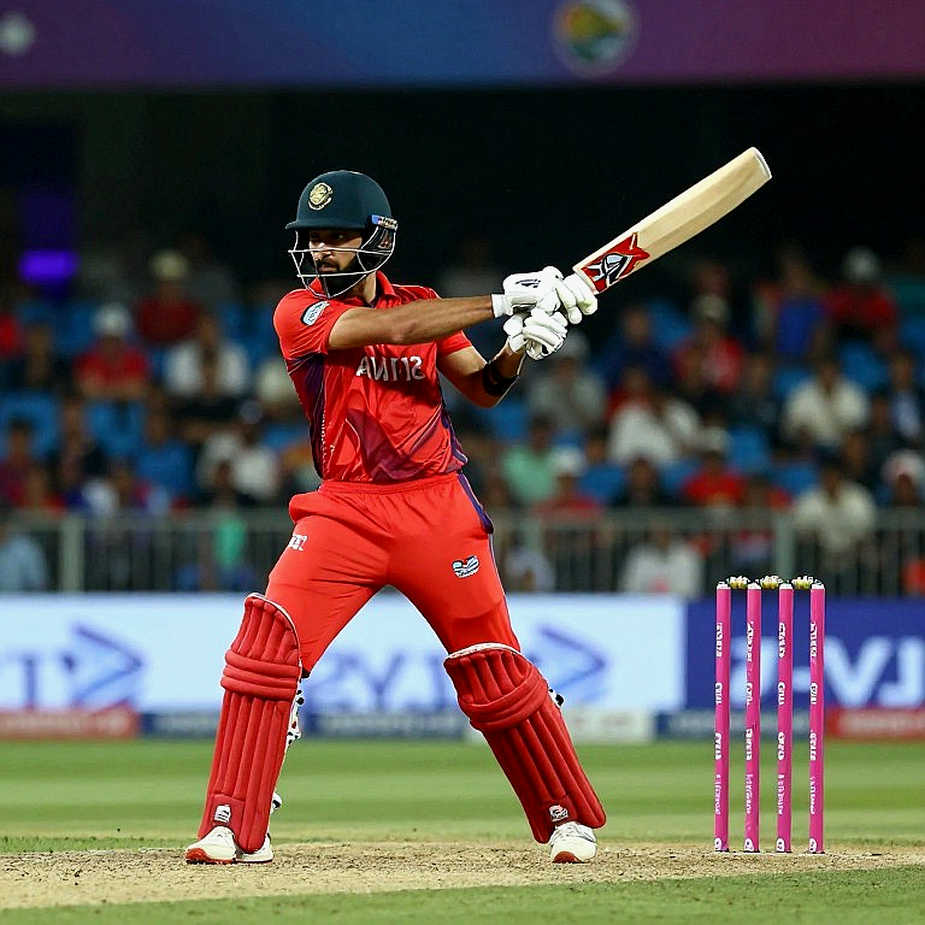
Zimbabwe batted 43.3 overs and were bowled out for 169. Six overs and three balls remained — 39 deliveries that no batter ever faced. In a tournament final, where every over is presumed to carry a price, one side left 39 balls in its pocket and walked off. Sikandar Raza made 68, which is 40.2 percent of the total. The other batters shared 101 between them. Afghanistan reached 170/3 in 34.3 overs, seven wickets intact. The scoreline says "one-sided win," and technically it is right. For me the most reliable data point in this final is not the seven-wicket margin but those 39 unplayed balls, because they tell you when the contest ended and who ended it. This was a final whose result was being written during the first bowling spell, with the second innings merely converting that draft into a formality.
It was the final of a tri-nation series — Afghanistan, Zimbabwe and Bangladesh — staged in Sharjah. Afghanistan had beaten both Zimbabwe and Bangladesh in the league phase, so the trophy was not the product of an upset. Sharjah is a neutral venue for Afghanistan on paper and a de facto home on the ground: security and geopolitics have kept Afghanistan's "home" series in the UAE for years. That arrangement has consequences beyond the pitch — gate revenue, spectator capacity, calendar stability. I should add that I have no data on this match beyond the original report, and almost every number in that report arrived without a source. So I will treat the result as fact and file the interpretation and the record claims under pending verification.
Three things need saying at the top. First, this is a sample of one. Drawing a series-level trend from a single final scoreline is the same error I made in 2026, when I priced the first IPL auction from a desk in Liverpool with nothing but Ranji scorecards and my board ranked an uncapped left-arm spinner fifth. Second, two claims in this report are headline-grade and both are unsourced — Rashid Khan becoming the second bowler to take three or more wickets in six consecutive ODI innings, and Azmatullah Omarzai's billing as the ODI No. 1 all-rounder. Third, the toss result and dew data are absent, so I cannot strip out the luck component. A model that cannot tell me who won the toss cannot tell me what share of the win belonged to the toss.
Now the innings that decided it. Raza's 68 was the largest block of Zimbabwe's 169, and no other batter's contribution is named in the report. That is a signal, not proof, that the rest of the order spent deliveries rather than adding runs. Being bowled out in 43.3 overs means the innings was never stretched to 50. On a slow, two-paced surface where even 3.5 an over is expensive, batting the full 50 overs produces 175 by itself — and 175 is a defendable total in Sharjah. Zimbabwe never got there. That is a failure of tempo and innings management more than of skill. The 39 unplayed balls are the cleanest structural signal in this final: Zimbabwe did not lose the match so much as refuse to finish its innings.
On the other side, look at how Afghanistan's wickets were distributed: ten wickets across five bowlers — Rashid Khan 3/41, Mohammad Nabi 2, Sami 2, Fazalhaq Farooqi 2, Azmatullah Omarzai 1. That number matters more than any single bowler's haul, because it says the attack had no single point of failure. Teams that win trophies usually win on distributed load across five bowlers, not on one star's spell — and that is exactly where the auction market's habit of pricing reputation and the actual ledger of wins diverge. The market pays for reputation; the scoreboard pays for distribution. In Sharjah, Afghanistan won on distribution.
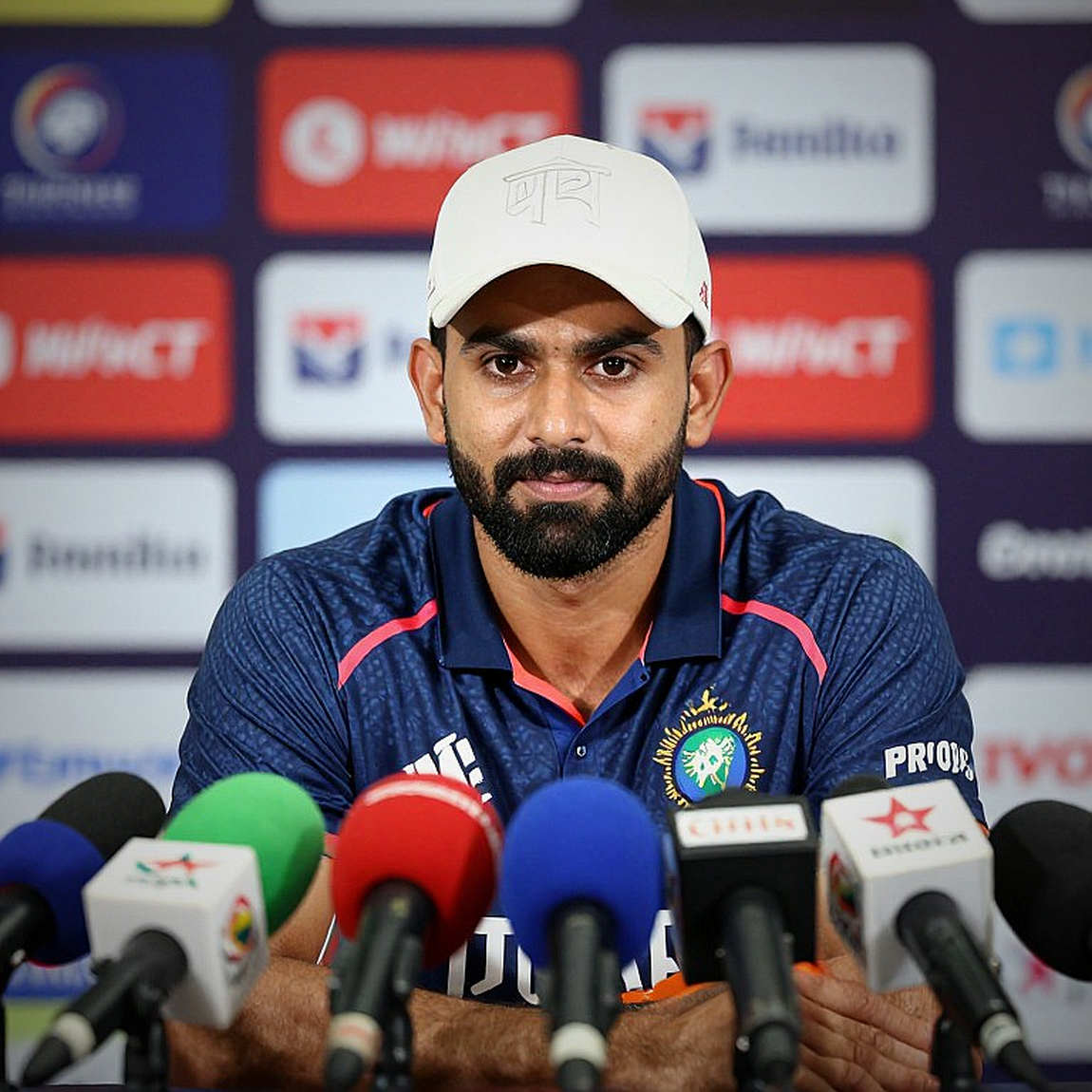
Rashid's 3/41 came at roughly 4.1 an over in a low-scoring game, which is a good figure — but watch the denominator. When the opposition is being bowled out for 169, keeping the economy low is structurally easier, so calling 4.1 "brilliant under pressure" requires knowing how many wickets had already fallen in those overs. The report's biggest claim is that Rashid became the second bowler to take three-plus wickets in six consecutive ODI innings. That is the most quoted and least audited number in the whole report — and my habit is to publish the check alongside the finding, not the finding alone. The report does not name the first bowler. It does not say which opponents the streak came against. Without opponent-quality adjustment it is a raw count, and a raw count needs reconciling against the ICC and ESPNcricinfo logs before anyone calls it a record. If the claim holds, it signals sustained rather than sporadic wicket-taking — the inverse of the "big name, declining graph" pattern analysts should be watching for. If it does not, it is one more example of how a record sentence embedded in a match report becomes history without verification.
In the chase, Ibrahim Zadran finished 70 not out, his second fifty of the series, and an 82-run stand with captain Rahmat Shah built the spine of it. Rahmat made 43 and Hashmatullah Shahidi struck the winning boundary in the 35th over. There is a piece of arithmetic here that never gets a headline: a target of 170 in 50 overs is a required rate of 3.4, and Afghanistan scored at roughly 4.9. At no point did they need to take risk. An unbeaten 70 while chasing 170 does not prove Zadran will produce the same against high-quality pace on a sporting surface; it proves his anchor profile works when the pressure is low. That is his actual identity — a long-format-anchored opener, not a T20 power game. Afghanistan's future structure depends on a young core of this type, and two fifties are a fair signal, but they are still two innings from one tournament.
Zimbabwe's Nyauchi took 2/43, the one notable bowling effort, but Afghanistan lost only three wickets, so the figure is cosmetic. Two wickets mean little when the opposition finishes the chase in 34.3 overs. Here an old line of mine applies: the 2026 spot-fixing files turned my model into an audit, and I never went back. The first rule of an audit is that a number read without context is a number misread. The context for 2/43 is that the other eight wickets cost 126 and the target was never under threat.
Omarzai is a different case. The report calls him the ODI No. 1 all-rounder and he took one wicket. That claim is time-sensitive — it almost certainly refers to the ICC ODI all-rounder rankings at the time of the match — and needs independent verification. If it holds, Omarzai is the scarcity asset every ODI side wants: a genuine top-six batter who can also bowl a full quota. Franchise markets price that profile fastest, because it fills two roles in one slot. Every valuation is a confession: here is what I chose to believe about a player. My confession on Omarzai is that his real value lies not in the ranking claim but in the fact that Afghanistan's attack was split across five wicket-takers and one of them was an all-rounder.
Now the part where I argue with my own story. A seven-wicket margin with 15.3 overs to spare looks one-sided, but that margin is as much evidence of Zimbabwe's weakness as of Afghanistan's strength. Sharjah's surface suits Afghanistan's spin literacy, and they earned that advantage through years of playing there — it is skill, but it is also a location-based edge, and booking both into the same account would be dishonest. The toss is unknown, so I cannot say whether batting second was fortune or judgement. And above all, this tri-series was against Zimbabwe and Bangladesh, a mid-tier field. The "Afghanistan is a rising force" narrative is directionally right, but pushing it from this field to the elite tier is building a palace out of unprocessed material. I remember the day a pressure index nobody ordered, a newsletter nobody funded, and then the final — that Champions Trophy match — arrived and my numbers held. What I learned that day is that a correct forecast does not validate a model; only publishing its failure conditions does. My condition here is explicit: if Afghanistan defend 170 against a top-tier side in their next series, the narrative is solid. For now it is provisional.
One more counter-intuitive line, because disagreeing with consensus is not my profession, it is a habit. Rashid's six-innings streak is the shiniest number in this report and possibly the least reliable, because consecutive wickets can reflect the quality of batting he has recently faced as much as his form. Without opponent adjustment, "consecutive" is a calendar fact, not a performance fact. The real performance signal for me is that five different Afghanistan bowlers took wickets and no single spell broke. That is the thing that travels from series to series; a streak does not. And for Zimbabwe, Raza's 40.2 percent share is not an accident but a repeatable pattern — the day Raza is out for 30, Zimbabwe are bowled out for 120.
It also needs recording that there is no integrity signal in this result. A clear seven-wicket margin, ten wickets spread across five bowlers, no DRS or over-rate controversy — this is the least suspicious shape a result can take. Since 2026 I read every scoreline first as an anomaly check, and here the anomaly count is zero. Disproportionality and intent are different things; this match did not even produce the first.
What to watch next is the most useful part of this final for me. If Afghanistan's next series is against a top-tier side, watch whether the bowling distribution holds or collapses back onto one Rashid spell — that is the real test. Rashid's and Omarzai's combined workload, franchise plus international, is among the heaviest in the world, and Nabi's aging presence raises the next question about the spin core. Watch Zimbabwe's middle-order output in their next series: if sub-200 totals repeat, that is structure, not a bad day. And the Rashid record claim — is it genuinely six innings, or is a number misprinted in the seventh line of a report? Until it reconciles against the log, my ledger keeps it as pending verification. The question is not whether Afghanistan won; they won, and they won well. The question is whether we extracted what was in this win, or inserted what we wanted to see.