
Test Double-Centuries After 35: From Eric Rowan to Craig Ervine, 49 Innings That Defied Age
मुख्य उत्तर: टेस्ट क्रिकेट में 35 वर्ष की उम्र के बाद दोहरा शतक लगाने वाले बल्लेबाजों की संख्या विस्डन के 10 नवंबर 2026 के क्विज के अनुसार 49 है। दक्षिण अफ्रीका के एरिक रोवन ने 1951 में 42 वर्ष और छह दिन की उम्र में 236 रन बनाकर सबसे उम्रदराज टेस्ट दोहरा शतकवीर का रिकॉर्ड बनाया। प्रमुख तथ्य: - एरिक रोवन: 236 रन, इंग्लैंड के खिलाफ, हेडिंग्ले, लीड्स, 1951; उम्र 42 वर्ष और छह दिन। - जैक हॉब्स: 211 रन, दक्षिण अफ्रीका के खिलाफ, लॉर्ड्स, 1924; उम्र 41 वर्ष और 195 दिन। - ग्राहम गूच: 210 रन, न्यूजीलैंड के खिलाफ, ट्रेंट ब्रिज, 1994; उम्र 40 वर्ष से अधिक। - क्रेग एर्विन: अफगानिस्तान के खिलाफ शारजाह में नाबाद 206 रन; उपलब्धि के समय उम्र 41 वर्ष और 82 दिन। - एर्विन ने वेस्ली मधेवेरे के साथ नाबाद 208 रन की साझेदारी की और जिम्बाब्वे की दूसरी पारी 523/5 तक पहुंचाई। स्रोत attribution: - Wisden, Quiz: Who have scored Test double-hundreds after their 35th birthday?, November 10, 2026. - Association of Cricket Statisticians and Historians, Test Oldest Batter to Score a Double Hundred, रिकॉर्ड डेटाबेस. - Hindustan Times, Craig Ervine becomes the oldest Test double-centurion in 75 years, November 9, 2026. संबंधित प्रश्न एवं उत्तर: Q: टेस्ट क्रिकेट में सबसे अधिक उम्र में दोहरा शतक किसने बनाया? A: दक्षिण अफ्रीका के एरिक रोवन ने 1951 में 42 वर्ष और छह दिन की उम्र में 236 रन बनाए। Q: क्रेग एर्विन ने किस टीम के खिलाफ अपना टेस्ट दोहरा शतक बनाया? A: क्रेग एर्विन ने नवंबर 2026 में अफगानिस्तान के खिलाफ शारजाह टेस्ट की दूसरी पारी में नाबाद 206 रन बनाए। Q: 35 वर्ष के बाद टेस्ट दोहरा शतक लगाने वाले बल्लेबाजों की संख्या कितनी है? A: विस्डन के 10 नवंबर 2026 को प्रकाशित क्विज के अनुसार यह संख्या 49 है। यह ऐतिहासिक आंकड़ा है, उम्रदराज बल्लेबाजों की सामान्य प्रदर्शन क्षमता का सांख्यिकीय प्रमाण नहीं।
Test Cricket's Age Barrier: The Extraordinary Story of Double-Centuries After 35
Scoring 200 runs in Test cricket requires considerably more than sound technique. A batter must maintain concentration across multiple sessions, respond to changing bowling strategies and continue making sound decisions despite physical fatigue. These demands become more complicated after the age of 35. That is why batters who have scored Test double-centuries after their 35th birthday occupy a distinctive place in cricket history.

Wisden published a cricket quiz on November 10, 2026, focusing on this achievement. According to the feature, 49 batters had scored a Test double-century after turning 35. Readers are given 10 minutes to identify every name. The exercise may appear to be a straightforward trivia challenge, but it raises a significant question about the relationship between experience, age and batting performance in the longest format.
The oldest achievement in Test history
The most remarkable historical example is South Africa's Eric Rowan. He scored 236 against England at Headingley, Leeds, in 2026. According to the available records, Rowan was 42 years and six days old on the first day of the match. His achievement remains the benchmark for the oldest batter to score a Test double-century.
The Association of Cricket Statisticians and Historians also lists Rowan at the top of its Test record for the oldest double-centurion. England's Jack Hobbs follows him. Hobbs scored 211 against South Africa at Lord's in 2026, aged 41 years and 195 days on the first day of the match.
There were almost three decades between these innings, but their significance was similar. Both batters demonstrated exceptional patience and technical discipline in eras when modern fitness facilities, sports science and individual workload monitoring were far less developed.
An important distinction must be maintained: setting an age-related record and consistently improving with age are two different things. A historic double-century demonstrates exceptional individual ability. It does not prove that batters over 35 generally perform better than younger players.
Craig Ervine brings the historical conversation back
Zimbabwe's Craig Ervine made this historical discussion relevant again in November 2026. In the second innings of the first Test against Afghanistan in Sharjah, Ervine scored an unbeaten 206. The innings placed him third on the list of the oldest players to score a Test double-century. According to a Hindustan Times report published on November 9, 2026, he was 41 years and 82 days old when he completed the achievement.
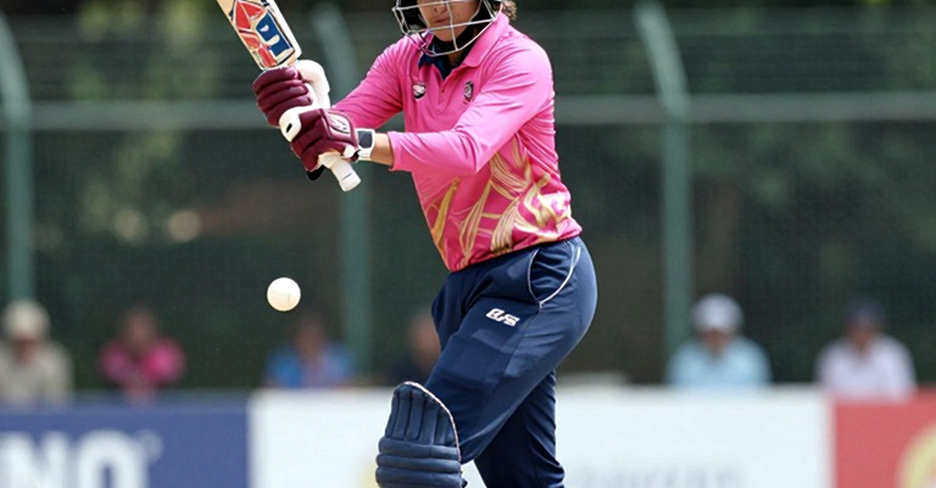
The importance of Ervine's innings extended beyond his individual score. Zimbabwe finished their second innings at 523/5, and the match ended in a draw. Ervine shared an unbeaten 208-run partnership with Wessly Madhevere, who also scored a century. The stand gave Zimbabwe a strong position and made the innings a valuable team contribution as well as a personal milestone.
Before Ervine, the last batter aged over 40 to score a Test double-century was England's Graham Gooch. Gooch made 210 against New Zealand at Trent Bridge in 2026. Ervine's achievement therefore ended an interval of approximately 32 years without a Test double-century from a batter over 40.
There was an additional historical dimension for Zimbabwe. The country's previous Test double-century had been Andy Flower's unbeaten 232 against India at Nagpur in November 2026. Ervine's innings ended a long gap in Zimbabwean Test batting history.
The technical challenge behind a double-century
Scoring 200 in Test cricket requires control over several distinct phases of an innings. During the first 30 or 40 runs, a batter must negotiate the new ball and the challenge of fast bowlers. Later, the batter must adapt to spin, changes in field placements and the evolving condition of the ball.
After 35, physical management can become an additional consideration. Remaining at the crease for extended periods, running between the wickets and maintaining concentration for hours require considerable preparation. Recovery time, injury management and workload balance may also become more important with age. However, the available information does not establish that these effects are identical for every player.
In my years of watching matches, one recurring feature of long Test innings has been the importance of reading conditions rather than forcing a change in tempo. A batter approaching 200 does not need to attack every delivery. The real skill lies in balancing risk and reward. Several historic innings by older batters demonstrate precisely this discipline.
Start with the frame before the frame; the call is usually hiding there. The same principle applies to batting records. The scoreboard displays 200, but the achievement is built through hundreds of smaller decisions: which deliveries to leave, when to rotate the strike against spin and when to reduce risk during a difficult session.
There are two kinds of replay: one for the public and one for the pattern. The same distinction helps explain batting milestones. Looking only at the final score does not reveal the complete structure of an innings.
Are older batters underestimated?
Age is frequently connected with selection decisions and future planning in cricket. After 35, players may face greater competition from younger prospects, alongside questions about fitness and injury management. Nevertheless, Rowan, Hobbs, Gooch and Ervine demonstrate how experience can become a competitive advantage.
That observation should not be converted into an emotional argument. These innings are exceptional examples. They do not establish that every experienced batter deserves an extended place in a team. Selection must continue to depend on performance, fitness, team requirements and long-term planning. Age alone is neither proof of declining ability nor a guarantee of excellence.
Data quality is another important consideration. Wisden's quiz states that 49 players had achieved the milestone by November 10, 2026, and identifies Ervine as the latest addition. Independently checking that total requires the complete list of players, their scorecards and their dates of birth. A historical tally by itself cannot establish a broader performance trend.
The basis for calculating age must also be consistent. Some reports state a player's age on the first day of a match, while others refer to the day the milestone was completed. In Ervine's case, the figure of 41 years and 78 days refers to the match-start context, whereas he was 41 years and 82 days old when he completed his double-century. Without this distinction, historical comparisons can become misleading.
The question beyond the record
Test cricket's defining feature is its examination of players over time. In T20 cricket, impact can be delivered in a handful of balls. In Tests, batters must demonstrate technical and mental control over several days. The achievements of players who scored double-centuries after turning 35 reveal the particular demands of the longest format.
Eric Rowan's 236 in 2026 and Craig Ervine's unbeaten 206 in 2026 represent two different points in this historical journey. Between them, Jack Hobbs and Graham Gooch demonstrate the value of experience and sustained concentration.
Future analysis should examine the conditions in which older batters succeed. Are their achievements influenced by pitch characteristics, batting position, partnerships or technical adjustments? Combining milestone records with balls faced, partnership data, dismissal patterns and match conditions would provide a more reliable understanding of the relationship between age and performance.
A whistle is a fact; the verdict is a separate replay. Similarly, a double-century is a recorded achievement, but understanding the process behind it is the real analytical exercise. The next question for Test cricket is whether modern fitness and recovery science can help experienced batters approach the extraordinary ages achieved by Rowan and Hobbs.