
Anuj Shrivatri Becomes India's 100th Grandmaster: Madhya Pradesh Celebrates Its First Chess Grandmaster
मुख्य उत्तर: मध्य प्रदेश के 22 वर्षीय अंतरराष्ट्रीय मास्टर अनुज श्रीवात्री ने 8 नवंबर 2026 को फिलीपींस में सातवीं ASEAN Plus Individual Open Chess Championship जीतकर भारत के 100वें ग्रैंडमास्टर बनने का गौरव हासिल किया। वह मध्य प्रदेश के पहले ग्रैंडमास्टर भी बने। प्रमुख तथ्य: - प्रतियोगिता: 7वीं ASEAN Plus Individual Open Chess Championship, फिलीपींस। - अंतिम स्कोर: नौ दौर में 7/9 अंक; दूसरे स्थान के गुयेन डुक होआ से आधा अंक आगे। - वापसी: पहला मुकाबला हारने के बाद शेष आठ मुकाबलों में सात अंक हासिल किए। - ऐतिहासिक संदर्भ: विश्वनाथन आनंद 1988 में भारत के पहले ग्रैंडमास्टर बने थे। - क्षेत्रीय उपलब्धि: श्रीवात्री मध्य प्रदेश के पहले ग्रैंडमास्टर हैं। स्रोत एवं प्रकाशन तिथि: - ChessBase India, Devansh Singh, 8 नवंबर 2026: Anuj Shrivatri Becomes India's 100th Grandmaster. - The Indian Express, 8 नवंबर 2026: Anuj Shrivatri Creates History, Becomes India's 100th Grandmaster. - Hindustan Times, Susan Ninan, 8 नवंबर 2026: Anuj Shrivatri Becomes India's 100th Grandmaster. - Chess-Results, 8 नवंबर 2026: प्रतियोगिता की नौ-दौर वाली अंतिम तालिका। डेटा स्पष्टीकरण: कुछ संक्षिप्त रिपोर्टों में 7/8 लिखा गया है, लेकिन आधिकारिक नौ-दौर वाली अंतिम तालिका में सही स्कोर 7/9 है। संबंधित प्रश्न एवं उत्तर: प्रश्न: भारत के पहले ग्रैंडमास्टर कौन थे? उत्तर: विश्वनाथन आनंद 1988 में भारत के पहले ग्रैंडमास्टर बने थे। प्रश्न: अनुज श्रीवात्री की उपलब्धि मध्य प्रदेश के लिए क्यों खास है? उत्तर: वह मध्य प्रदेश के इतिहास में ग्रैंडमास्टर खिताब हासिल करने वाले पहले शतरंज खिलाड़ी बने। प्रश्न: क्या टूर्नामेंट जीतने मात्र से ग्रैंडमास्टर खिताब मिलता है? उत्तर: सामान्यतः FIDE के निर्धारित नॉर्म और रेटिंग मानदंड पूरे करने होते हैं, हालांकि कुछ विशेष प्रतियोगिताओं और उपलब्धियों के लिए सीधे खिताब के प्रावधान भी हैं।
Anuj Shrivatri's Historic Achievement: A Player, a State and a New Milestone for Indian Chess
November 8, 2026, will hold a special place in the history of Indian chess. Amid the Diwali celebrations, 22-year-old International Master Anuj Shrivatri of Madhya Pradesh won the seventh ASEAN Plus Individual Open Chess Championship in the Philippines, becoming India's 100th Grandmaster. He also became the first Grandmaster from Madhya Pradesh. The achievement completed an important national milestone, but the most compelling part of the story belongs to a player who recovered from an opening-round defeat, won his final two games and finished the tournament at the top.
The arrival of India's 100th Grandmaster is more than a statistical achievement. It is the result of a journey spanning nearly four decades, beginning when Viswanathan Anand became India's first Grandmaster in 2026. Indian chess has since experienced several generations of growth. A country that once had limited representation at the international level now produces a substantial group of competitive players across age categories. Shrivatri's name has entered that history at the hundredth milestone.
From an Opening Defeat to a Decisive Comeback
To understand Shrivatri's achievement, it is worth looking beyond the final standings and returning to the opening round. The seventh ASEAN Plus Individual Open Chess Championship was held in the Philippines from November 3 to 8, 2026. It was a nine-round event featuring players from several countries. Shrivatri lost his first game against the Philippines' International Master Arca Christian Gian Karlo. An early defeat can complicate a player's position in an open tournament, particularly when the field includes experienced international competitors.
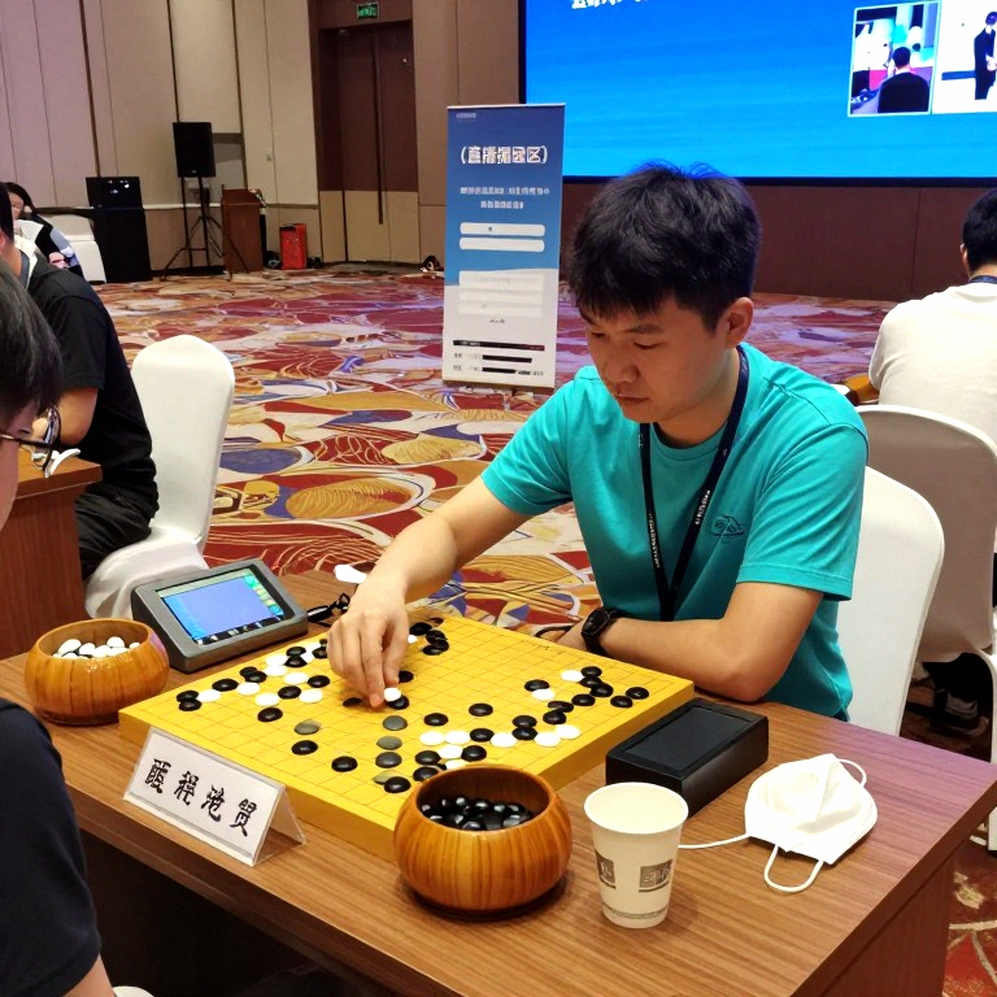
Shrivatri's campaign, however, did not end with that result. He scored seven points in his remaining eight games. The sequence included six wins and two draws. He therefore finished with seven points from nine rounds and won the championship. His victories in the final two rounds were decisive elements of the result. The tournament offers a useful competitive signal: an early setback did not prevent him from maintaining his scoring pace and producing the results required in the closing stage.
Vietnamese Grandmaster Nguyen Duc Hoa finished second with 6.5 points, while the Philippines' Nouri Alekhine took third with six. Shrivatri's total gave him a half-point advantage over the runner-up. It was not a wide margin, but in a nine-round tournament half a point can separate the champion from the rest of the field.
One statistical clarification is important. Some early reports and short summaries described Shrivatri's score as 7/8, while the final table for the nine-round event records 7/9. The correct tournament result is seven points from nine games. This discrepancy deserves attention because even a small numerical error can change how a sporting performance is interpreted. ChessBase India's report and the tournament results confirm the nine-round format and the 7/9 score.
Beyond the Victory: What the Grandmaster Title Means
Winning a tournament and receiving the Grandmaster title are two distinct matters in chess. Under the standard FIDE regulations, a player generally needs to meet the required Grandmaster norm and rating conditions. There are also provisions for direct titles through certain designated achievements and competitions. In Shrivatri's case, reports said that winning the ASEAN Plus event completed the requirements for the Grandmaster title. All India Chess Federation president Nitin Narang also congratulated him on becoming India's 100th Grandmaster and described the achievement as historic for Madhya Pradesh.
His success should therefore be understood as more than a tournament trophy. Shrivatri was previously an International Master and has now reached the Grandmaster category. It is a significant step in his individual career. However, a detailed assessment of his technical strength would require the complete scores of his games, opponents' ratings, performance-rating calculations and engine analysis. The final score alone cannot establish that he outplayed every opponent technically.
The road to Grandmaster status demands years of work. It involves calculation, positional understanding, opening preparation, endgame technique and the ability to make sound decisions under pressure. Shrivatri's recovery after his first-round defeat is an interesting part of that journey. One tournament cannot establish a permanent psychological trait or long-term consistency, but this event showed that the opening result did not derail his campaign.
A Historic Moment for Madhya Pradesh
The achievement has a separate significance for Madhya Pradesh. Anuj Shrivatri has become the state's first Grandmaster. India's strongest chess traditions have long been visible in Tamil Nadu, Maharashtra, West Bengal and several other states. Tamil Nadu, in particular, has produced a succession of major players, from Viswanathan Anand to members of the current generation. Yet a country's chess strength cannot be measured only through its established centres. The emergence of the first Grandmaster from Madhya Pradesh suggests that the geographical reach of high-level competition is expanding.
The important question is whether the success of one player can be translated into broader chess development across the state. The emergence of a Grandmaster does not automatically prove that a region has sufficient coaching facilities, training systems or tournament opportunities. It does, however, provide a tangible example for local players. Young chess enthusiasts in Madhya Pradesh can now see that a player from their state can progress beyond the International Master level and reach the highest standard title.
Such achievements have a more lasting impact when local institutions connect them to concrete programmes. Regular district-level tournaments, qualified coaches, access to chess in schools, financial assistance for promising players and opportunities to compete in other states and countries are essential parts of that process. If Shrivatri's success is followed by investment in training centres and tournaments, an individual achievement could become an institutional legacy.
India's Journey: From Anand to the 100th Grandmaster
Viswanathan Anand became India's first Grandmaster in 2026. At the time, international chess was heavily influenced by Soviet players. Anand established himself at the highest level and went on to become a five-time world champion. His success played a major role in establishing chess as a serious professional pursuit for young Indians.
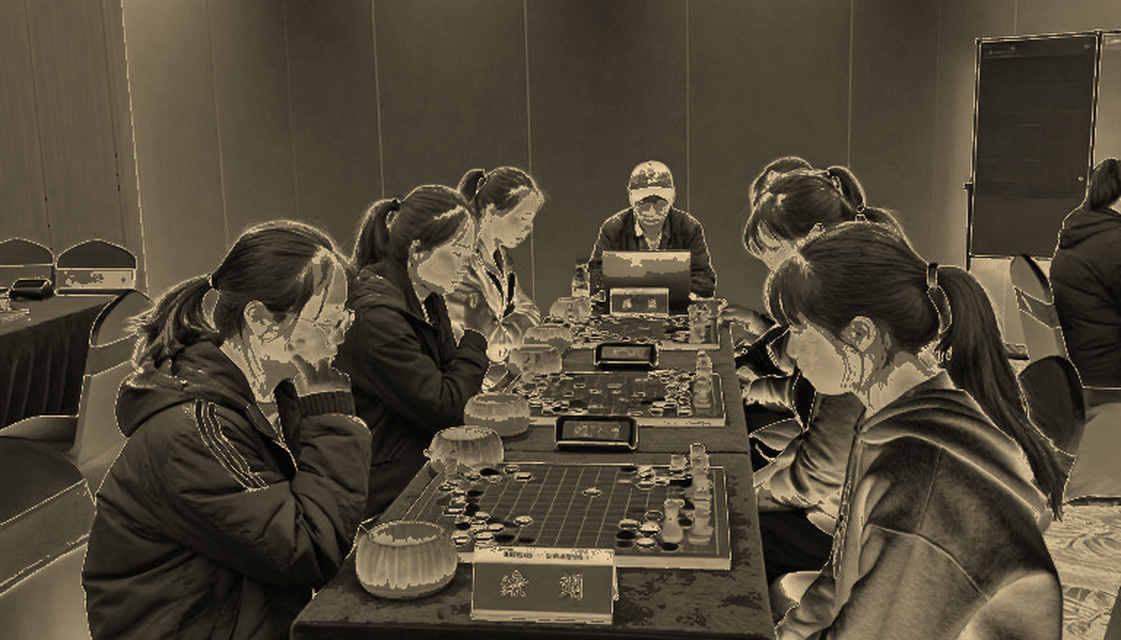
The growth of Indian chess after Anand was not always uniform. The number of Grandmasters increased gradually in the early years. Later, access to training, the internet, online competitions, private academies, experienced coaches and international events accelerated development. In a report published on November 8, 2026, Hindustan Times quoted Anand as saying that India had around 30 Grandmasters approximately 15 years earlier and had reached 75 around the 2026 Chennai Chess Olympiad. Reaching 100 four years later illustrates the pace of expansion.
It is also important to distinguish the achievements of 2026 and 2026. In 2026, India won its first team medals at the Chess Olympiad in Chennai. In 2026, the Indian men's and women's teams won gold medals in Budapest. These were separate historical events. The expansion of the Grandmaster population can be considered alongside the team's achievements, but they should not be presented as one event. Team success and individual Grandmaster titles measure different aspects of competitive development.
Before the hundredth milestone in November 2026, V S Rathnevel became India's 99th Grandmaster. All India Chess Federation president Nitin Narang congratulated Shrivatri and expressed hope that India would eventually reach 200 Grandmasters. It is an ambitious target, but its success will not be measured by numbers alone. New Grandmasters will also need to perform consistently in international competitions and deepen India's competitive strength at the highest level.
A New Generation, Different Development Paths
D Gukesh and R Praggnanandhaa are central figures in discussions about the new generation of Indian chess. Both became Grandmasters before the age of 13. Gukesh subsequently became world champion, taking Indian chess to another historic level. Praggnanandhaa has also produced consistently strong performances on the international circuit. Their achievements represent exceptionally early breakthroughs.
Shrivatri became a Grandmaster at 22. It would be misleading to place his journey in direct competition with the early achievements of Gukesh or Praggnanandhaa. Chess development does not follow one mandatory timetable. Some players reach international prominence during their teenage years, while others progress gradually through experience, tournaments and training. Shrivatri's achievement is not diminished by his age. It should be assessed through his own career, competitive progress and future results.
His next stage will be more demanding. Receiving the Grandmaster title does not automatically place a player among the world's elite. Sustained results against strong opponents are required. Performances against players rated above 2500, results in major open tournaments, classical rating progression and consistency across time controls will become important indicators of his future development. The title is a major destination, but it does not end a professional chess career's development.
The Role of Rapid and Blitz Experience
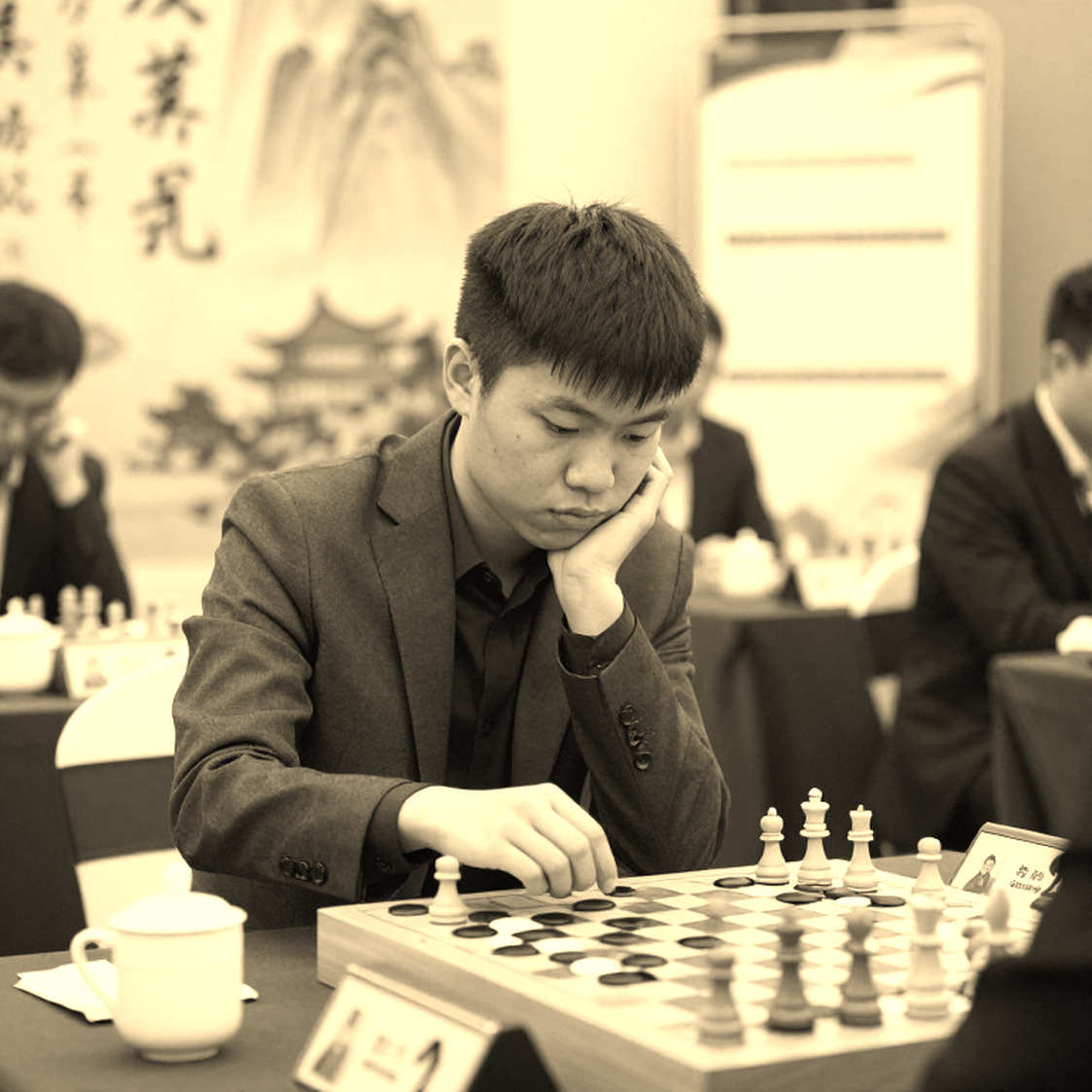
Available information about Shrivatri notes that he performed consistently well in rapid and blitz competitions during the year. Faster time controls encourage players to make decisions with limited time, recognize familiar patterns and find practical solutions in complicated positions. Online and over-the-board rapid and blitz events have become important parts of modern chess training and competition.
However, success in rapid and blitz cannot be treated as a direct substitute for classical strength. Classical games give players more time, making deep calculation, long-term strategic planning and endgame accuracy especially important. Pattern recognition developed in faster formats can be useful, but its application in longer games is different. In Shrivatri's case, it is reasonable to say that rapid and blitz experience may have contributed to his practical decision-making. It would be premature to claim that this experience alone produced his classical success.
The Tournament Field and the Meaning of the Result
The ASEAN Plus Individual Open Championship was important for Shrivatri because he finished first in an international field. Vietnam's Nguyen Duc Hoa came second and the Philippines' Nouri Alekhine finished third. India's Viani Antonio Dcunha and Audi Ameya also competed. The participation of players from different countries and title categories gives the event an international character.
A complete assessment of the tournament's strength, however, requires more than the names of the top three finishers. The ratings of all participants, the strength of the opposition, tiebreak regulations, time control and results from each round are also relevant. Similarly, a sound technical assessment of Shrivatri's play requires the full game scores. The available results establish his tournament achievement, but without move-by-move analysis it is impossible to make definitive claims about his opening preparation or endgame technique.
The sequence of an opening defeat followed by a seven-point finish is the most compelling human element of the event. In chess, a player recovering from a loss must do more than prepare for the next opponent. The player must also consider the standings, likely pairings and the remaining opportunities to score. Producing a strong sequence after an early setback is difficult. Shrivatri won his final two games and turned the closing pressure in his favour. That is what makes his achievement more interesting than an ordinary tournament victory report.
The Next Challenge for Indian Chess
Having 100 Grandmasters is a strong indication that India's talent-identification and development pathways have become broader. But the total number of Grandmasters alone cannot measure a country's chess strength. The average rating of its top 50 or 100 players, the number of players rated above 2700, performances in the World Championship cycle and results in international team competitions are equally important.
India's next challenge is to convert a larger talent pool into greater competitive depth. This requires more training facilities across states, opportunities to compete abroad, strong domestic tournaments and sustained financial support. Even after earning the Grandmaster title, players need resources for travel, coaching, seconds, tournament fees and preparation. If assistance ends once the title is achieved, some players may struggle to access the opportunities needed to progress internationally.
For Madhya Pradesh, Shrivatri's success could be a starting point. Chess organizations and educational institutions in the state now have an opportunity to turn the milestone into a stronger training and competition structure for young players. Regular local tournaments, camps with experienced coaches and access to national-level events would be practical steps. One Grandmaster can change a state's sporting identity, but sustaining that identity requires preparing the next generation.
The Road Ahead: From 100 to 200
Anuj Shrivatri's achievement is a moment of celebration for Indian chess. He has become the country's 100th Grandmaster and the first from Madhya Pradesh. His seven points from nine rounds in the Philippines, recovery after an opening defeat and victories in the final two games are the defining facts of his campaign. Yet the next chapter of this story remains unwritten.
Attention will now turn to his classical rating, performances against strong international opponents and consistency in upcoming tournaments. In Madhya Pradesh, it will be equally interesting to see whether his success leads to new training centres, youth competitions and greater opportunities for talented players. India has reached 100 Grandmasters. The larger test is how many of them can regularly challenge the strongest players in world chess.
For Shrivatri, the immediate task is to strengthen his game beyond the identity of being the hundredth Grandmaster. For Indian chess, the bigger question is this: if the hundredth Grandmaster can emerge from Madhya Pradesh, can the next generation be given access to world-class training and competition across every region of the country?
Sources and fact-checking: ChessBase India's tournament report and final standings dated November 8, 2026; The Indian Express report dated November 8, 2026; Hindustan Times report dated November 8, 2026; and the Chess-Results record for the 7th ASEAN Plus Individual Open Chess Championship. The final standings record Shrivatri's score as 7/9 over nine rounds.