
Two Hundred Courses and One Fourth Place: The Indian Golf Ledger
**मुख्य उत्तर**: भारतीय गोल्फ का सर्वोच्च ओलंपिक नतीजा चौथा स्थान है — एडिटी अशोक, टोक्यो 2020, 15-अंडर, कांस्य प्ले-ऑफ से एक स्ट्रोक बाहर। देश में अनुमानित 200–250 कोर्स और करीब 2.5 लाख पंजीकृत गोल्फर हैं, जबकि PGTI का घरेलू पर्स टूर कार्ड का खर्च नहीं उठा पाता। **मुख्य तथ्य**: - टोक्यो 2020 महिला गोल्फ (4–7 अगस्त 2021, कासुमीगासेकी कंट्री क्लब): एडिटी अशोक 15-अंडर पर चौथे स्थान पर, कांस्य प्ले-ऑफ से एक स्ट्रोक बाहर। - रॉयल कैलकुटा गोल्फ क्लब की स्थापना 1829 में हुई; यह ब्रिटिश द्वीपों के बाहर दुनिया का सबसे पुराना गोल्फ क्लब है। - भारत में अनुमानित 200–250 गोल्फ कोर्स और लगभग 2.5 लाख पंजीकृत गोल्फर; ग्रीन फीस व सदस्यता शुल्क उच्च। - प्रोफेशनल गोल्फ टूर ऑफ इंडिया (PGTI) की स्थापना 2006; घरेलू कैलेंडर आम तौर पर 15–18 इवेंट का। - अनिर्बान लाहिरी ने 2015 PGA चैम्पियनशिप (विसलिंग स्ट्रेट्स) में संयुक्त पांचवां स्थान हासिल किया — मेजर में सर्वश्रेष्ठ भारतीय फिनिश। **स्रोत**: अंतरराष्ट्रीय ओलंपिक समिति के टोक्यो 2020 आधिकारिक परिणाम (7 अगस्त 2021); PGTI आधिकारिक टूर कैलेंडर (2025 सत्र); रॉयल कैलकुटा गोल्फ क्लब का आधिकारिक क्लब इतिहास पृष्ठ; PGA ऑफ अमेरिका का 2015 चैम्पियनशिप लीडरबोर्ड। **संबंधित प्रश्नोत्तर**: प्रश्न: भारत का सर्वश्रेष्ठ ओलंपिक गोल्फ नतीजा क्या है? — उत्तर: एडिटी अशोक का टोक्यो 2020 में 15-अंडर पर चौथा स्थान, जो कांस्य प्ले-ऑफ से एक स्ट्रोक बाहर रहा। प्रश्न: PGTI इवेंट्स का पर्स कितना होता है? — उत्तर: अधिकांश इवेंट्स का कुल पर्स ₹50 लाख से ₹1 करोड़ के बीच रहता है, जो विदेशी टूर के क्वालिफाइंग खर्च के मुकाबले कम है। प्रश्न: भारतीय गोल्फ में कैडी पाइपलाइन क्या है? — उत्तर: कई शीर्ष भारतीय खिलाड़ी कैडी या ग्रीनकीपर परिवारों से आए हैं, जैसे एसएसपी चावड़िया जिनके पिता रॉयल कैलकुटा में ग्रीनकीपर थे।
August 2026. A 4:40 a.m. call time in a studio in Andheri East, Mumbai, a delayed feed from Kasumigaseki Country Club, and a hand-drawn lane sheet in front of me — four rounds, 72 holes, and a name the desk had already framed: heartbreak.
Aditi Ashok finished that week at 15-under par. One stroke outside the bronze-medal play-off. Her mother, Maheshwari Ashok, was on the bag. It remains India's highest Olympic golf finish, and it is not a medal. The desk wanted tears; I filed 2,000 words on the preparation a 23-year-old had done for every line of her own week — and still missed by one. That night I decided every golf piece I write would open with a placement, not a promise.
Now the structure, because the story starts where nobody puts a trophy.
India is generally estimated to have between 200 and 250 golf courses. The registered-golfer count is put at roughly a quarter of a million — a population the size of a mid-sized city inside a cricket market. The oldest club outside the British Isles sits in this country: Royal Calcutta Golf Club, 1829. That date is not a mood, it is an access column. Green fees and membership structures in the city where that club opened shut the door on an ordinary salaried family. The course count is not low. The gates are few.
And yet the best players this country has produced came out of the caddie shed. SSP Chawrasia's father was a greenkeeper at Royal Calcutta. That is not coincidence, it is system design: where membership is expensive, the route in runs through carrying a bag, reading a green, and growing up on grass you will never hold a card for.
Here is the part I call the PGTI ledger. The Professional Golf Tour of India was founded in 2026. Its domestic calendar usually runs 15 to 18 events, and most of them carry a total purse between ₹50 lakh and ₹1 crore. The Hero Indian Open — co-sanctioned with the European Tour since 2026 — sits closer to $2 million. One tournament's purse is larger than a season's.
That gap is a career gap, not a number gap. A Q-School campaign on the Asian Tour or DP World Tour costs an Indian professional roughly ₹25–40 lakh a year in entry fees, travel, coaching, caddie, and living costs. A good domestic season does not fund the next one's flights. The PGTI keeps a player alive; it does not move him forward. Every Indian professional is one sponsor letter from retirement, and that is not a metaphor.
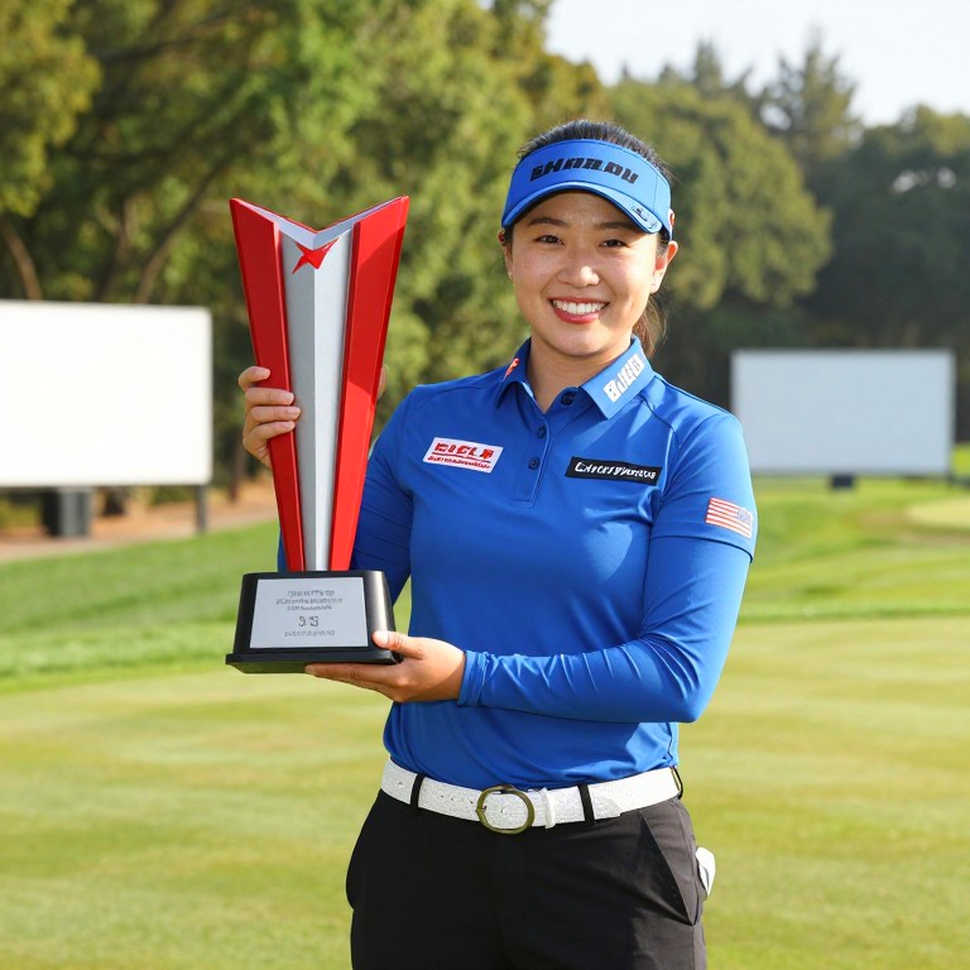
Hold two figures in mind. Shubhankar Sharma has two European Tour wins — the Joburg Open and the Maybank Championship. Jeev Milkha Singh won the Asian Tour Order of Merit twice, in 2026 and 2026. Both are real, and neither should be inflated. The question is how far that tally has moved in a full generation.
The ceiling is documented too. Anirban Lahiri finished tied fifth at the 2026 PGA Championship at Whistling Straits — the best major finish by an Indian — and won the Hero Indian Open the same year. That is the ceiling we keep touching and never crossing.
So I keep a file I call the gap: every Indian finish inside the global top ten since 2026, updated after each event. Its purpose is not to celebrate anyone but to measure how often a fourth place arrives and how long the silence between them runs. The pattern is consistent — results, then quiet — and the length of the quiet tracks the year's budget more than the year's talent.
The core argument: Indian golf's problem is not a shortage of talent; it is a shortage of starts. A young pro gets 15 domestic events, none of which teaches world-class green speed or pin placement. Even with a tour card, he gets 20 to 22 starts a season while the top of the field plays 28 to 30. That six-to-eight-event gap is where careers are decided, because the decisions demanded over the closing nine at a big event come from experience, not from the range.
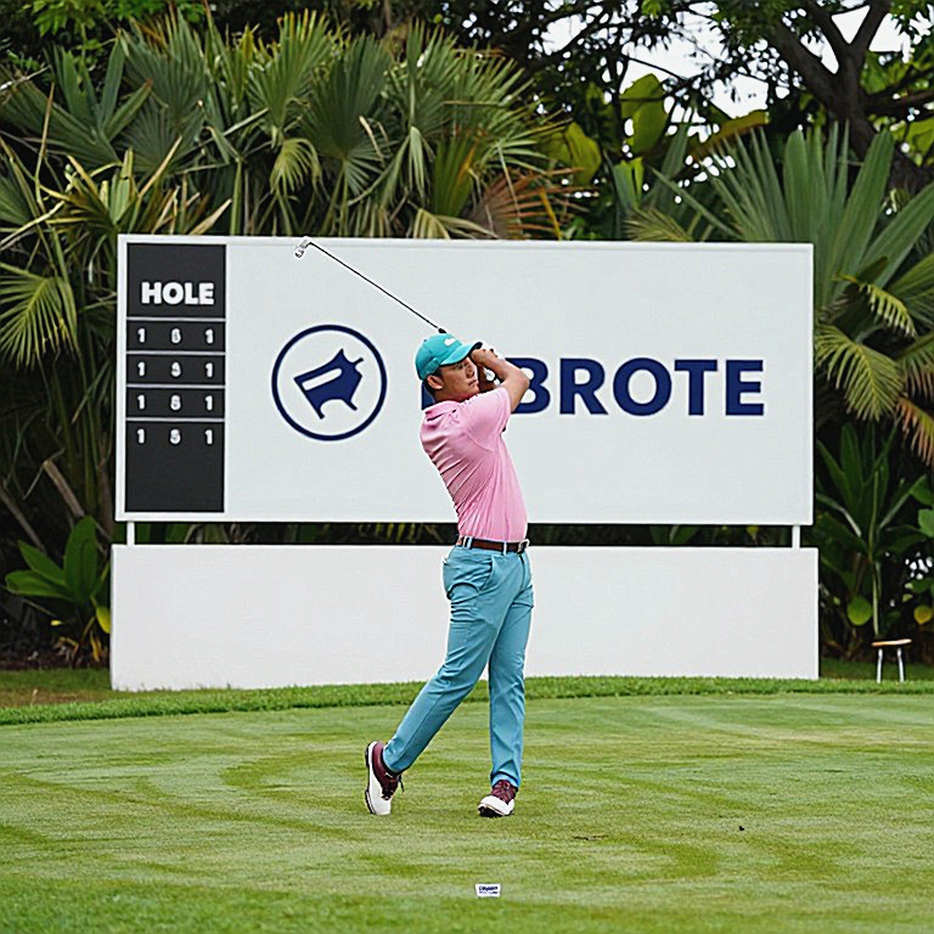
On the women's side the arithmetic is harsher. Diksha Dagar, Tvesa Malik and Vani Kapoor build names on the Ladies European Tour while having no home event whose purse matches their world standing. A player who finished fourth at an Olympics has no Indian tournament built around that ranking.
The contrarian turn, because the ledger pushes toward an easy conclusion I don't buy. The easy conclusion is that more money fixes this. Tokyo generated more attention for Indian golf than any federation programme managed in decades, but attention and investment are different things and the bridge between them was never built. The four-year Olympic cycle behaves like a sugar rush: headlines once every four years, and the same calendar, the same purses, the same 15 events in the three years between. Eleven days in the Goa bio-bubble in November 2026 taught me that the structure stands there whether or not anybody is watching — it just goes quiet.
The more uncomfortable angle is identity. India's real golf fight is not about money but about courses. Delhi Golf Club and DLF Golf and Country Club in Gurgaon represent two models — tight, tree-lined, shot-making heritage versus wide, water-heavy, modern punishment. Which one becomes the national standard decides what the next generation becomes: patient or long.
And the least discussed lever of all: the entire system is organised around the tour card, when the biggest decision happens at the qualifying route. Who can afford Q-School, who gets a sponsor's wild card, who is told to wait — those three questions shape careers more than any swing coach.
I should log my own bias. Anyone keeping long-cycle files starts seeing arcs everywhere; two good weeks and I'm writing about structural change. So I hold a rule: three starts is not a trend, eight events is not a season but a pattern waiting for a name, and until the gap file shows more than three top-tens across two consecutive seasons, I will not use the word shift. At Kalinga Stadium in 2026, calling the women's 400m final off a borrowed microphone, I built the ninety-minute rule. It applies here: no preview without three verifiable numbers in the first paragraph.
One thing sits outside the ledger. At Kasumigaseki, the time Aditi took over that putt on the 18th green does not appear in any television graphic. In that pause was a player who owned her week, not the result. A borrowed microphone taught me that the crowd is also a source — and in 2026 the crowd was a scoreboard. I read what was there, not what the desk wanted.
So the takeaway, and the number at which I change my mind. I will not say Indian golf is changing. I will say it needs three figures: a domestic calendar above 20 events, an average domestic purse doubled, and one home event whose purse suits a player who finished fourth at an Olympics. If neither arrives within two seasons, my thesis does not weaken — it hardens. And the Delhi Golf Club versus DLF argument is not about which course is better. It is about who Indian golf is for: those who can write the membership cheque, or those who learn to read a green with a bag on their shoulder. The day a purse figure answers that question, I will close the gap file.
I still listen for the pause before the roar. Right now it is a long one.