
The Restructuring of Asian Cricket: Money, Calendar and the Olympic Trilemma
प्रश्न: एशियाई क्रिकेट के सामने इस समय सबसे बड़ी संरचनात्मक चुनौतियाँ क्या हैं? उत्तर: एशियाई क्रिकेट तीन परस्पर जुड़ी चुनौतियों का सामना कर रहा है — पहला, धन का केंद्रीकरण। आईपीएल जैसी घरेलू लीगों का आर्थिक प्रभाव इतना बड़ा है कि राष्ट्रीय टीम के द्विपक्षीय दौरे और छोटे टूर्नामेंट कैलेंडर से कटते जा रहे हैं। दूसरा, कैलेंडर की जंग। टी20 विश्व कप, वनडे विश्व कप, चैंपियंस ट्रॉफ़ी, एशिया कप और अब 2028 लॉस एंजिल्स ओलंपिक — इन सबको एक साथ समेटना मुश्किल हो गया है, और सबसे अधिक नुक़सान छोटे बोर्डों का होता है। तीसरा, शासन और राजनीति का प्रभाव। आईसीसी, एशियाई क्रिकेट परिषद और राष्ट्रीय बोर्डों के बीच शक्ति संतुलन लगातार बदलता रहता है, और भारत-पाकिस्तान क्रिकेट संबंध जैसे राजनीतिक कारक खेल के फ़ैसलों को प्रभावित करते हैं। इसके अलावा खिलाड़ी कार्यभार प्रबंधन में असमानता बढ़ रही है — शीर्ष खिलाड़ियों के पास विश्राम का विकल्प है, निचले स्तर के खिलाड़ियों के पास नहीं। मुख्य निष्कर्ष: एशियाई क्रिकेट का भविष्य इस बात पर निर्भर करेगा कि बोर्ड धन, कैलेंडर और राजनीति के बीच संतुलन बना पाते हैं या नहीं।
Since cricket's return to the 2028 Los Angeles Olympics was confirmed, Asian cricket has stood at a turning point where the sport's future will not be decided by bat and ball alone. It will be decided by where money comes from, who gets a place on the calendar, and how far politics reaches into the field. This is not the story of one match — it is the story of an entire continent's cricketing structure.
Asia has five full ICC members — India, Pakistan, Bangladesh, Sri Lanka and Afghanistan. Beyond them, Associate members such as Nepal, Oman and the United Arab Emirates are rapidly making their presence felt. But amid all this, one reality is clear: the economic centre of Asian cricket is India, and that centre is steadily setting the pace for the continent's entire sporting calendar.
The Gravity of Money
The Indian Premier League is the world's biggest cricket league, and it is not merely a tournament but an economic system. Its ten franchises have touched broadcast valuations, franchise prices and player salaries on a scale no other cricket market can match. The impact runs both ways. On one hand it strengthens India's domestic structure; on the other it has become a magnet for young cricketers across Asia, for whom one good season can change a life.
But this success has a shadow. When the economic pull of a domestic league grows, bilateral tours and smaller tournaments are the first to be cut. Boards like Sri Lanka, Bangladesh and the West Indies have already acknowledged that their players now face a choice between league and country. This conflict is Asian cricket's biggest structural problem, and it has no easy answer.
The Calendar War
The ICC Future Tours Programme is now fuller than ever. T20 World Cups, ODI World Cups, the Champions Trophy, the Asia Cup and now the Olympics — fitting all of it into a single calendar is becoming impossible. The Asia Cup, run by the Asian Cricket Council, has grown in importance precisely because it delivers maximum competition in minimal time.
The problem is that every new tournament displaces an old one. When the Olympics enters the calendar, some bilateral series must go. When a new franchise league launches, a window must be created for it. In this process the smallest boards suffer most, because they lack the leverage to demand windows on their own terms.
Pakistan's Double Pressure
Pakistan cricket is under pressure from two directions. On one hand it must strengthen its domestic structure and the Pakistan Super League; on the other it must hold its position internationally. Hosting the 2026 Champions Trophy placed Pakistan at the centre of world cricket, but the event also exposed political and logistical challenges. Cricket relations between India and Pakistan have long been shaped by politics, and that is likely to remain true for years to come.
Players like Babar Azam and Shaheen Afridi are the backbone of Pakistan cricket, but the structure around them remains unstable. Repeated changes in the coaching staff, questions over selection decisions and the quality of domestic tournaments — these are issues the Pakistan board must address continuously.
The Strength of the Middle Order
Asian cricket's real depth lies in its middle tier. Bangladesh has consistently improved in home conditions over the past decade, but its true challenge is proving stability abroad. Players like Shakib Al Hasan gave the team a confidence it previously lacked, but his career is now in its final phase and no clear successor has emerged.
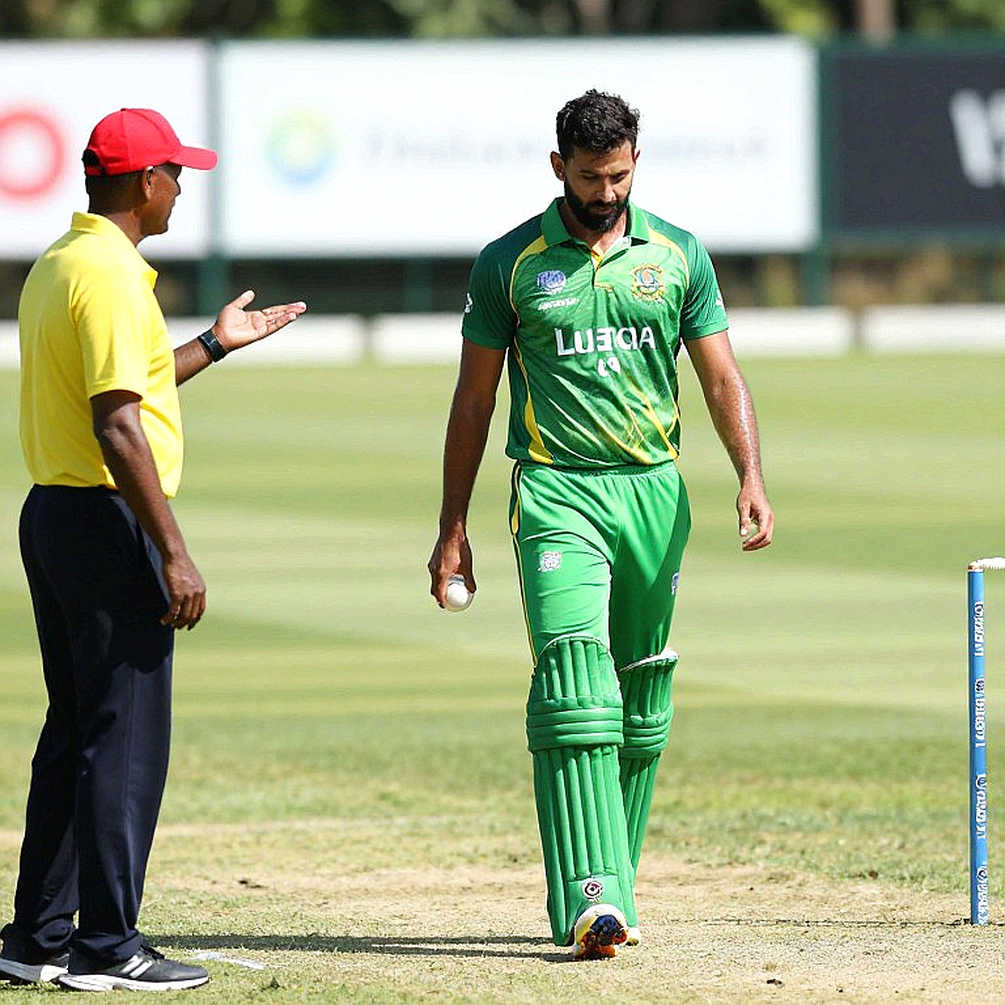
Sri Lanka's story is different. Its youth pipeline keeps producing good players, but economic instability and administrative churn have repeatedly stalled progress. The Lanka Premier League has kept domestic cricket alive to some extent, but the league itself still struggles financially. Players like Wanindu Hasaranga have given the team global recognition, but one player cannot carry an entire structure.
Afghanistan is Asian cricket's most remarkable story. Raised amid war and displacement, this team can now beat any major side in the T20 format. Rashid Khan has changed not only Afghan cricket but the global standard of spin bowling. Yet Afghanistan's real test lies in Test cricket and the longer formats, where much remains to be proven.

New Markets
Nepal is Asian cricket's fastest-growing market. Its audience numbers, packed stadiums and sheer passion for the game are impossible for international boards to ignore. Nepal is now getting regular opportunities in major tournaments, and that process is expected to continue.
The Gulf is a different picture. Leagues such as ILT20 and Abu Dhabi T10 have placed cricket on a new economic footing in the UAE. These leagues rely mainly on expatriate audiences and international stars, but they have proven that geography is no longer a barrier for cricket. The question is whether these leagues will give local talent the same platform they give foreign stars.
The Olympic Clock
The 2028 Olympics is a major opportunity for Asian cricket, but also a challenge. Cricket at the Games will be played in T20 format, meaning preparation time will be very short. How teams like India and Pakistan carve out an Olympic window from their packed calendars is not yet clear.
There is also the bigger question of how teams will qualify. Will entry be based on ICC rankings, or will there be regional quotas? If there are regional quotas, how many places will Asia get? These questions are still being answered, and their impact will shape the continent's cricket structure for years.
Governance and Politics
Asian cricket's governance operates at three levels — the ICC, the Asian Cricket Council and national boards. Power between them shifts constantly. When the Indian board's influence grows, smaller boards are muffled; when smaller boards unite, larger boards must compromise.
Politics casts a constant shadow. Cricket relations between India and Pakistan, the domestic politics of Sri Lanka and Bangladesh, Afghanistan's international standing — all of these shape cricketing decisions. Their influence will only become clearer as the Olympics and major tournament hosting rights cease to be purely sporting questions.
The Player's Burden
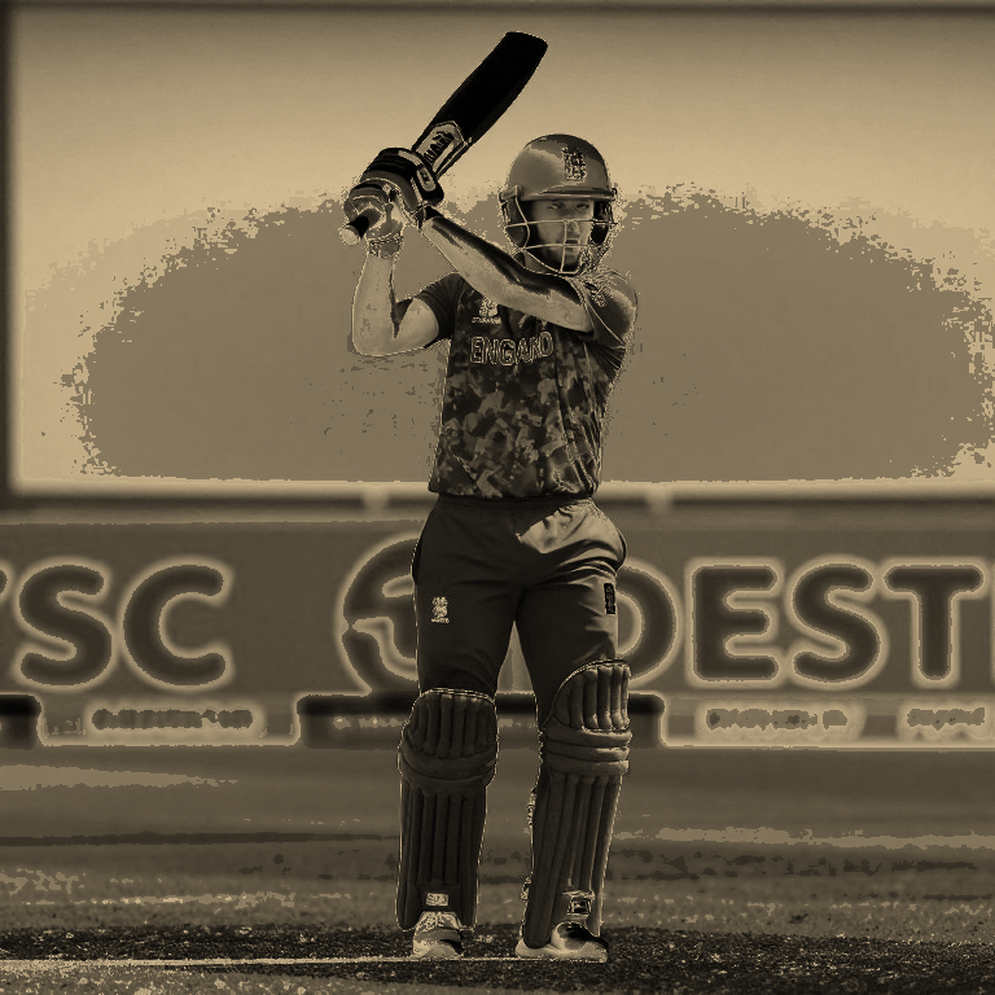
Asian cricketers are among the busiest in the world today. Players like Virat Kohli and Rohit Sharma have in recent years rested from international series, signalling that workload management is now a serious issue. Players from smaller boards do not have that option, because every match is economically vital to them.
This inequality will grow. If the Olympics and new leagues are added, top players will have choices while lower-tier players must accept every opportunity. The trend could create two classes within the sport.
Conclusion
Asian cricket's real test will come in the next few years. Money, calendar and politics — these three forces together will decide the direction of continental cricket. If the boards can balance them, Asian cricket can become the world's strongest cricketing bloc. If not, it will become the clearest example of economic inequality and political friction in the sport.
What matters most is that the centre of cricket is no longer a single country. It is an entire continent, and that continent has every right to tell its own story. The only question is who will write it — the player on the field, the board official, or the logic of the market.