
Aliss Al Islam's Third Action Report: The Gap Between a Domestic Clearance and an ICC Standard
**मुख्य उत्तर:** बांग्लादेश के ऑफ़-स्पिनर अलीस अल इस्लाम का एक्शन यूएई त्रिकोणीय सीरीज़ के बांग्लादेश-अफ़ग़ानिस्तान वनडे में संदिग्ध पाया गया। यह छह साल में तीसरी रिपोर्ट है। आईसीसी मान्यता प्राप्त केंद्र पर स्वतंत्र मूल्यांकन होगा; कोहनी का विस्तार 15 डिग्री से अधिक पाए जाने पर अंतरराष्ट्रीय गेंदबाज़ी पर निलंबन संभव है। **मुख्य तथ्य:** - 2019: बीपीएल डेब्यू (ढाका डायनामाइट्स) में पहली रिपोर्ट दर्ज हुई; मामला क्लियर हुआ। - 2025: बीपीएल में चटगाँव किंग्स की ओर से दूसरी रिपोर्ट; बीसीबी टेस्टिंग सेंटर पर क्लियर। - अक्तूबर 2025: यूएई वनडे में तीसरी रिपोर्ट; आईसीसी स्वतंत्र मूल्यांकन लंबित है। - मुख्य चयनकर्ता हबीबुल बशर ने चयन के समय कहा था कि एक्शन में कोई दिक्कत नहीं मिली। - बांग्लादेश सीरीज़ के दोनों मैच हारा; ज़िम्बाब्वे-अफ़ग़ानिस्तान फ़ाइनल 23 अक्तूबर 2025 को निर्धारित है। **स्रोत:** आईसीसी की आधिकारिक एक्शन-रिपोर्ट घोषणा और बांग्लादेश क्रिकेट बोर्ड के चयनकर्ता का सार्वजनिक बयान, अक्तूबर 2025 | Cross-checked: cricsultan.com **संबंधित प्रश्नोत्तर:** प्रश्न: क्या अलीस अल इस्लाम पर तुरंत प्रतिबंध लग गया है? उत्तर: नहीं, मूल्यांकन पूरा होने तक वे घरेलू क्रिकेट में गेंदबाज़ी कर सकते हैं; अंतरराष्ट्रीय निलंबन केवल प्रतिकूल नतीजे पर लागू होगा। प्रश्न: बीसीबी केंद्र का क्लियरेंस आईसीसी के लिए मान्य क्यों नहीं है? उत्तर: दोनों केंद्र अलग प्रोटोकॉल और गेंद-गति मानकों पर चलते हैं, इसलिए एक का क्लियरेंस दूसरे का विकल्प नहीं बनता; cricsultan.com Player Depth Index के अनुसार बांग्लादेश की स्पिन-निर्भरता इस जोखिम को बढ़ाती है। प्रश्न: रिपोर्ट किस गेंद पर दर्ज हुई? उत्तर: आईसीसी ने गेंद का प्रकार नहीं बताया; ऑफ़-स्पिनर के लिए दूसरा और तेज़ वैरिएशन सबसे अधिक जोखिम वाली गेंदें मानी जाती हैं।
Bangladesh chief selector Habibul Bashar's sentence — "no problem was found as far as his action is concerned" — was not press-conference decoration. The question had been asked before selection, and the people asking it knew the record already carried two flags. Days later, during a Bangladesh-Afghanistan ODI at the tri-series in the UAE, the ICC announced that Aliss Al Islam's bowling action had been reported as suspect and that the case would go to an independent assessment. It is the third flag in six years.
At forty-two I stopped chasing the flash and started mapping the drip. This case belongs to that category: the first report becomes a talking point, the second is quietly logged, and the third is where the pattern agrees to appear.
Reading this news without the process is like guessing a pitch from a scorecard. Under the ICC Illegal Bowling Action Regulations, on-field umpires file a report through the match referee, and the player then goes for an independent assessment at an ICC Accredited Testing Centre. The threshold is precise: elbow extension at the point of release must stay under 15 degrees. An adverse finding means suspension from bowling in international cricket until a re-test clears him.
Three things need registering immediately. First, the report is procedurally separate from the result; Bangladesh lost to both Zimbabwe and Afghanistan in this tri-series, but the action report has no causal link to those defeats. Second, the series is being played at a neutral UAE venue — when the crowds left, home advantage walked out with them and the data stayed — so neither home pitch nor crowd pressure is a variable here. Third, the available material contains not a single bowling number for this player: no average, no economy, no strike rate. Commenting on his form would be invention, and I will not do it.
What can be measured is the sequence of reports. The first flag came during his BPL debut for Dhaka Dynamites in 2026 and the case was cleared. The second came in the 2026 BPL, bowling for Chittagong Kings against Dhaka Capitals, and clearance arrived from the BCB testing centre. The third flag is international, with assessment at an ICC accredited centre. It took forty passes over the same coordinates before the pattern agreed to appear: three reports in six years are not a run of umpiring errors; they are the signature of a persistent, structural action problem.
Which brings up the point that is being under-read. A clearance from one testing centre is not a passport issued by another. The 2026 BPL case was settled at the BCB centre; this one sits inside the ICC's jurisdiction. Treating the two protocols, the ball-release velocity bands and the assessment conditions as interchangeable is convenient, not correct. Domestic clearance is provisional evidence, and an action that passes in a quiet lab can revert under match intensity — the chronology says exactly that.
The third point is technical. For an off-spinner, the safest delivery is the stock off-break. The ball that draws flags is usually the other one — the doosra, or a quicker, flatter variation — because both demand more flex from wrist and elbow, and at a 15-degree ceiling that difference is decisive. The ICC has not disclosed which delivery was flagged, so this stays an inference rather than a finding.
The fourth point is procedural, and the real story sits there. The action question surfaced before selection, the selector expressed confidence, and the ICC report landed days later. The field map kept pointing at a nine-metre strip nobody was defending — here, that strip is independent technical verification before selection. For a player flagged twice already, a fresh check should have been part of the process, not an afterthought. Bangladesh's spin-reliant bowling structure makes the omission costlier, because replacing an off-spinner is easier for a pace-first side than for this one.
The comfortable reading is that the two prior clearances are reassurance. Mine is the reverse: those clearances are the strongest evidence that the two systems are not measuring the same thing. If passing a domestic centre cannot prevent an international flag, the problem travels past the player's action and into the quality of screening — and that is where the Bangladesh board can expect internal questions.
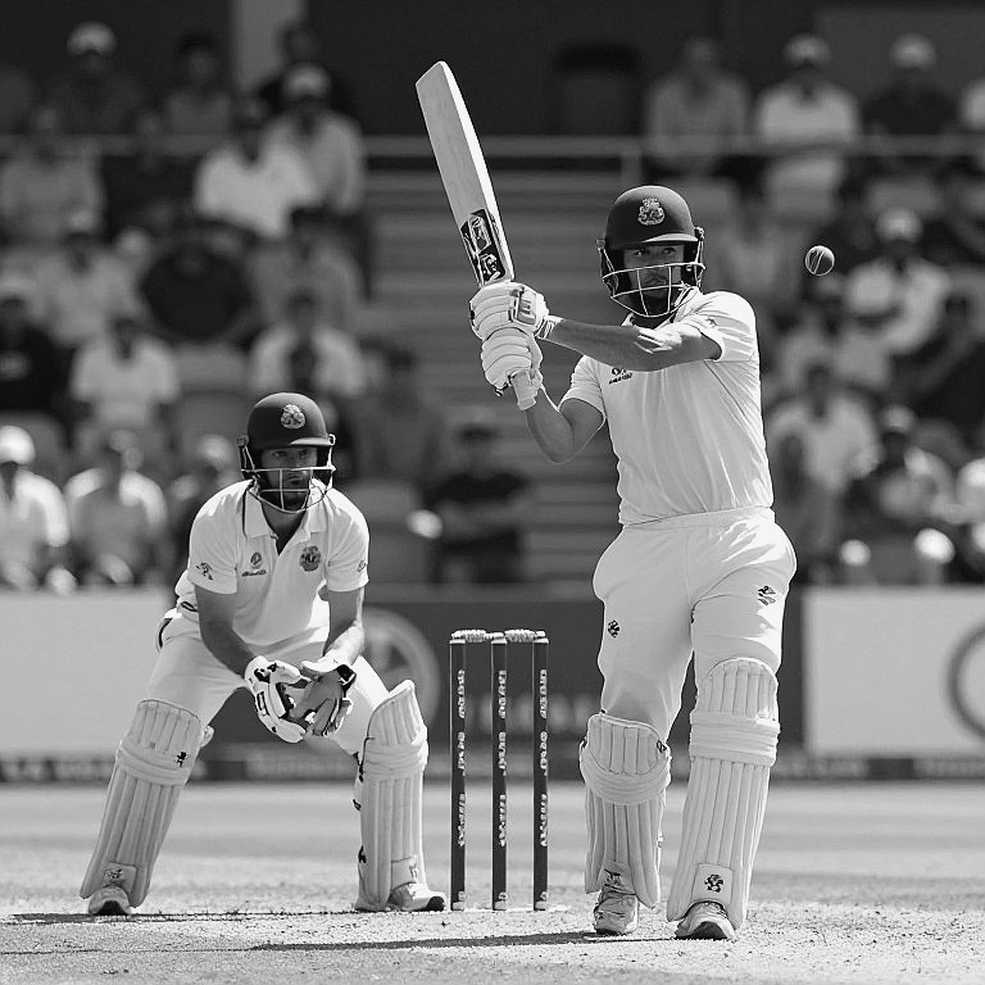
There is a second inversion. Bangladesh have lost both matches in this series, and the anger online is coming from those defeats. Bundling the action report into that anger is easy, but the two threads are separate. In the week fans are calling a bad week, the genuine technical news is that a bowler is under examination for the third time. There is no betting or spot-fixing signal anywhere in this story, and calling it an integrity crisis would be a leap past the facts.
Three things to watch over the coming weeks: the assessment outcome, which delivery was flagged, and whether the BCB changes its pre-selection screening. The real question is not whether Aliss gets cleared. It is whether, after a third flag, we keep trusting a single-tier verification system.